Best Canvas Fabric for Durable and Stylish Projects?
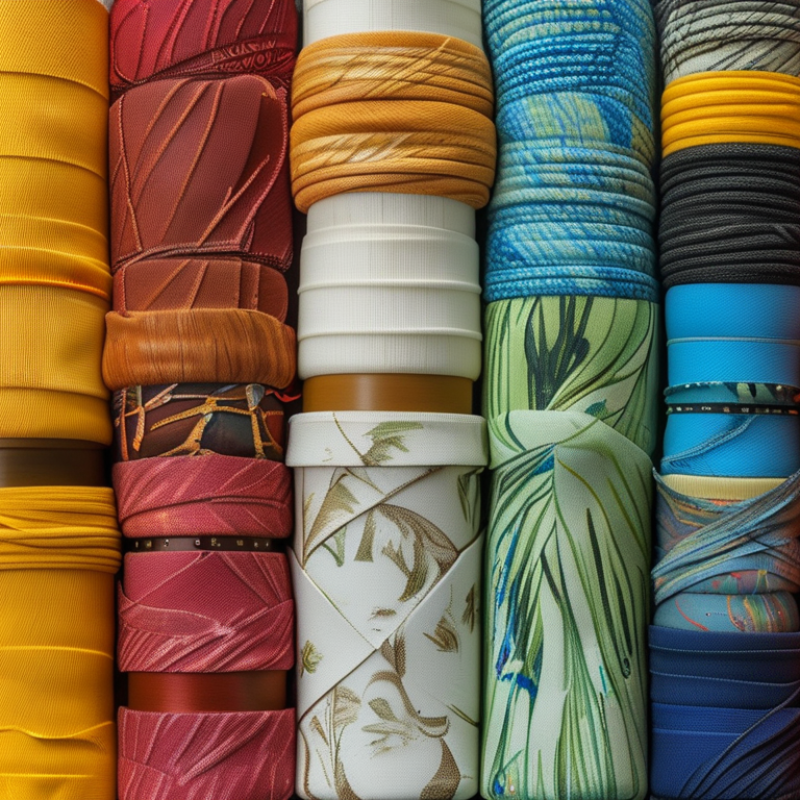
Canvas Fabric stands out as a versatile choice for a variety of projects. Known for its durability, it can withstand heavy use while retaining its style. Many artists, designers, and DIY enthusiasts favor canvas for its strength and aesthetic appeal.
When selecting the best canvas fabric, consider the project at hand. Different weights and weaves can impact the outcome. It’s crucial to research fabric characteristics. Some options may look great but lack the strength you need.
The journey to find the perfect canvas can be challenging. Not all canvas fabrics perform the same under stress. Sometimes, the fabric that seems perfect may disappoint in practical use. Exploring user feedback and expert insights can guide better choices.
Best Canvas Fabrics: An Overview of Key Material Types
When considering canvas fabrics for durable and stylish projects, it's essential to understand the various material types available. Commonly, cotton canvas offers breathability and versatility. This fabric is ideal for lighter applications, such as tote bags and home décor. Reports indicate that cotton's natural fibers contribute to its durability and softness, making it a popular choice for many DIY enthusiasts.
On the other hand, duck canvas, a tightly woven cotton fabric, provides superior strength. It's often used in outdoor gear and heavy-duty applications. According to industry studies, duck canvas typically has a higher thread count, resulting in increased durability. This makes it suitable for items exposed to harsh conditions. Synthetic options, like polyester canvas, resist fading and moisture. These fabrics can be excellent for items needing weather resistance, such as outdoor furniture covers.
Tips: When working with canvas, prewash your fabric to preshrink it. This prevents unexpected size changes in your final project. Ensure to choose the right weight; heavier fabrics may be challenging to sew accurately. Always test new techniques on scrap pieces before committing to your final work.
Durability Metrics: Evaluating Canvas Fabric Strength and Wear Resistance
When selecting canvas fabric for your projects, durability is a key factor. The strength of the fabric is often measured using tests that assess tear resistance, tensile strength, and abrasion resistance. A well-made canvas should withstand heavy use, making it ideal for items like bags or outdoor gear. You’ll want to look for a tight weave, which enhances both strength and longevity. A high thread count generally indicates better durability.
Wear resistance plays a crucial role, especially for items exposed to harsh conditions. Fabrics treated with water repellents or mildew inhibitors can extend the life of your projects. It's essential to consider how the fabric will hold up against UV rays if your project is for outdoor use. However, some treatments may affect the fabric's feel. Achieving a balance between durability and comfort is not always straightforward. Often, more rugged materials can feel rough or stiff. This reflects a challenge: how to maintain both resilience and a pleasant texture. Evaluation of these metrics informs decisions that could impact the success of your designs.
Durability Metrics for Different Canvas Fabrics
Stylish Applications: Popular Uses of Canvas in Fashion and Home Décor
Canvas is a stunning choice for various fashion and home décor projects. It offers both durability and style. Designers appreciate its versatility for creating bags, shoes, and even clothing. Its sturdy nature means it can withstand wear and tear. Yet, the texture adds a unique aesthetic, bringing depth to any piece.
In home décor, canvas shines through. It’s often used for wall art and upholstery. The fabric holds prints beautifully, making it an excellent choice for vibrant décor items. Throw pillows, curtains, and even table linens can transform a space. However, selecting the right canvas is crucial. Some might fade over time or lose shape after washing.
Despite its popularity, working with canvas has its challenges. It can be tricky to sew, and mistakes are easily visible. An imperfect seam or a misaligned print can stand out. Experimenting with different techniques can lead to stunning results, but patience is required. Embracing the learning curve is part of the creative process. Each project becomes an opportunity for growth and refinement.
Environmental Impact: Sustainable Canvas Fabric Choices for Projects
When choosing canvas fabric for projects, sustainability is crucial. Many traditional canvas options are sourced from non-renewable materials. Opting for organic cotton or recycled polyester offers a more eco-friendly path. These materials reduce chemical use and water consumption during production.
Tips: Look for fabrics labeled as GOTS-certified or OEKO-TEX approved. These certifications ensure lower environmental impact and safer processes.
Additionally, consider the durability of your choice. Eco-friendly options can still be robust. However, it’s essential to check reviews on fabric resilience. Some might warp or wear faster than their conventional counterparts. Your project’s lifespan could hinge on this choice.
Tip: Test small fabric scraps to see how they hold up under stress. This can prevent surprises later and ensure your creation withstands time. Being mindful of your material choices cultivates sustainability while adding style to your projects.
Best Canvas Fabric for Durable and Stylish Projects
| Canvas Type | Durability Rating | Style Options | Environmental Impact | Sustainable Features |
| Cotton Canvas | High | Natural, Classic | Biodegradable | Organic options available |
| Polyester Canvas | Medium | Vibrant, Varied | Non-Biodegradable | Recycled polyester available |
| Hemp Canvas | Very High | Earthy, Unique | Biodegradable | Fast-growing, low-impact |
| Nylon Canvas | High | Sleek, Modern | Non-Biodegradable | Some recycled options |
Maintenance Tips: Ensuring Longevity of Canvas Fabric Items
When it comes to maintaining canvas fabric items, simple care can go a long way. Proper cleaning methods ensure longevity and retain the stylish look of your projects. Regularly brush off dust and dirt with a soft bristle brush. This helps prevent buildup that can wear down the fabric over time. If stains occur, spot clean with a mild soap solution. Avoid harsh chemicals, as they can degrade the fabric fibers.
To keep your canvas items looking great, avoid prolonged exposure to direct sunlight. UV rays can cause fading and weaken the material. Storing your canvas pieces in a cool, dry place helps protect them from moisture damage. If you notice any fraying edges, consider reinforcing them. Small repairs now can prevent larger issues later.
Use a waterproofing spray for added protection, especially for items exposed to the elements. It’s important to test any product on a small area first. Also, be mindful of the load you place on canvas bags and gear. Overloading can strain the seams and create wear points. These small considerations will help maintain the fabric's durability and style for many projects to come.