2026 Best Plush Toys Factory for Wholesale Buyers?
Choosing the right Plush Toys Factory can shape your wholesale business in 2026. It affects product quality, delivery reliability, pricing, and customer trust. Buyers need more than attractive catalog photos. They need evidence from samples, factory records, material details, and production communication.
A dependable factory should explain its manufacturing process clearly. Ask how it selects fabrics, stuffing, threads, eyes, and other components. Review sample stitching around ears, seams, and embroidered features. Small weaknesses often become large problems during mass production. Check whether the factory follows recognized product safety requirements for your target market. Request relevant test reports, inspection records, and traceable material information.
Experience matters here.
A capable Plush Toys Factory should also manage custom designs, packaging, minimum order quantities, and seasonal schedules. Confirm production capacity before placing a large order. A low quotation may hide longer lead times, limited quality control, or expensive revisions. Written specifications can reduce misunderstandings about size, color, labels, and carton packing.
No factory is perfect. Even experienced suppliers may miss a detail or face material delays. The important question is how quickly and honestly they respond. Buyers should compare several suppliers, inspect pre-production samples, and keep approval records. Factory visits can provide useful evidence, but a professional remote audit may also reveal valuable information.
This guide examines practical factors for selecting a wholesale plush toy supplier in 2026. It focuses on quality, communication, compliance, customization, and long-term reliability. The best choice is not always the cheapest option. It is the factory that can prove its promises consistently.
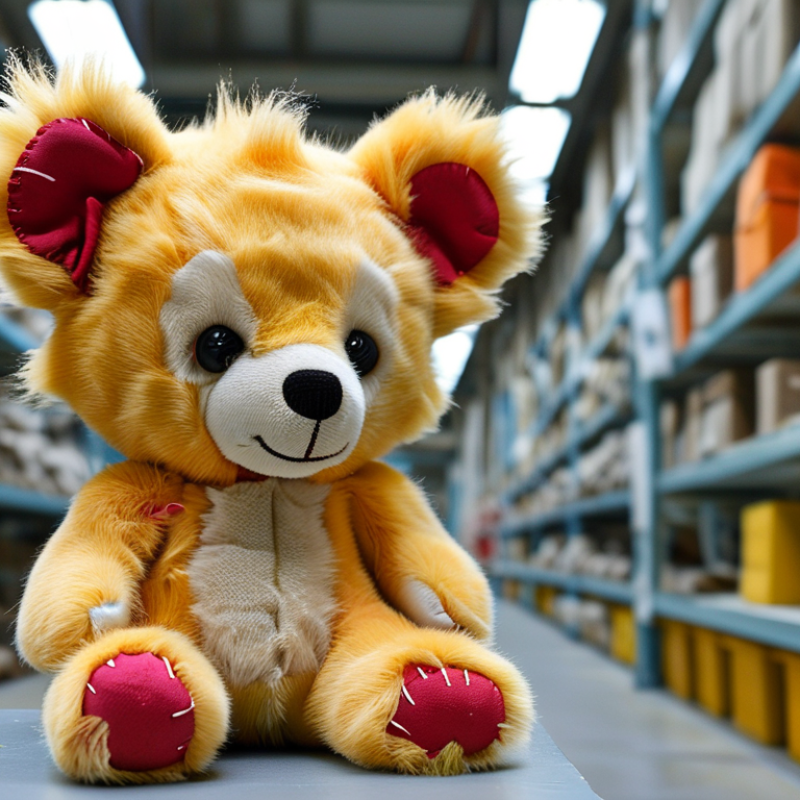
What Defines the Best Plush Toys Factory for Wholesale Buyers in 2026
The best plush toys factory is not simply the one offering the lowest quotation. Grand View Research estimates that the global plush toys market reached about USD 7.5 billion in 2023, with continued growth expected through 2030. This expansion raises buyer expectations. A reliable factory should show documented material testing, stable stitching quality, and repeatable filling weight. Ask for production samples from different batches. One perfect sample proves little.
Experience matters on the production floor. Skilled teams understand fabric direction, embroidery tension, seam strength, and small-part safety. They should also explain how they control allergens, color migration, and packing damage. The 2024 Global Toy Market Report from Circana reported pressure across many toy categories, making inventory planning more important for wholesalers. A factory that supports practical minimum order quantities and staged production can reduce unsold stock. That flexibility has real value.
Professional factories also provide clear audit records, inspection procedures, and traceable material documents. Independent testing should cover the destination market’s safety requirements. Do not accept vague claims. Request recent reports. Communication is another useful test: can the factory describe a failed sample and its correction? The answer may reveal more than polished sales language. Perfection is unlikely. Consistent improvement is the stronger sign. A capable partner should welcome design changes, but buyers must still verify every revision before mass production.
Key Manufacturing Standards and Product Safety Requirements
2026 Best Plush Toys Factory for Wholesale Buyers?
Key Manufacturing Standards and Product Safety Requirements
A reliable plush toy factory treats safety as a process, not a final inspection. During supplier audits, wholesale buyers should review material specifications, age grading, production records, and corrective-action reports. The factory should identify every fabric, thread, filling, dye, and accessory by batch number. This makes a defect easier to trace.
Seams need practical testing. Inspectors can pull stitched joints, check embroidered eyes, and examine loose fibers after repeated handling. Small parts must stay attached. Stuffing should remain clean, dry, and evenly distributed. Factories should also control flammability, heavy metals, restricted chemicals, and color migration according to the destination market. Applicable requirements may include ASTM F963, EN 71, CPSIA, or chemical rules such as REACH. Testing should come from qualified laboratories, with reports matching the actual production materials.
Do not trust a sample alone. Ask for pre-production samples, in-line inspection photos, final random inspections, and shipment retention samples. Packaging deserves attention too; plastic bags need suitable warnings and ventilation features where required. A strong factory welcomes unannounced checks and explains failed tests clearly. No factory is flawless. That matters. However, repeated vague answers, missing batch records, or changed materials should trigger a deeper review. I have seen attractive samples hide weak seams, so buyers should test the finished shipment, not only the showroom piece.
How to Evaluate Factory Capacity, Customization, and Quality Control
2026 Best Plush Toys Factory for Wholesale Buyers?
Wholesale plush buying starts with measurable factory capacity. Circana’s 2023 U.S. toy data showed $28.6 billion in sales, down 8% year over year. That volatility makes production evidence more valuable than optimistic brochures. Request 12 months of output records, machine lists, staffing by shift, and peak-season utilization. Compare promised monthly volume with sewing minutes, stuffing stations, and inspection hours. Ask for evidence. A factory should also show pilot-to-mass-production timelines and backup plans for fabric shortages.
Customization requires more than adding a logo. Review pattern-making equipment, embroidery accuracy, fabric libraries, and sample approval records. Grand View Research forecasts steady growth in the global stuffed and plush toy market through 2030, increasing pressure for flexible production. Check whether the factory can manage short runs without damaging consistency. Request color cards, tolerance sheets, and a signed golden sample. One weakness remains common: factories may promise unlimited designs, yet lack enough technical staff.
Quality control should be visible on the production floor. Check incoming fabric inspection, needle control, seam-strength testing, stuffing weight, and final visual checks. Ask for batch records and independent laboratory reports aligned with ISO 8124, ASTM F963, or EN 71, where applicable. Use sampling plans such as AQL only with agreed limits and lot definitions. A clean showroom proves little. Missing records are a serious risk, even when samples look excellent. Do not guess. Evaluate real production evidence.
2026 Best Plush Toys Factory for Wholesale Buyers
Factory Evaluation Scorecard: Capacity, Customization, and Quality Control
This buyer benchmark uses a 100-point evaluation model. Quality control receives the highest weighting because plush toys for international wholesale must meet applicable requirements such as ASTM F963, EN 71, CPSIA, or ISO 8124, depending on the destination market. Capacity, customization capability, production reliability, and documentation are also essential when comparing potential suppliers.
Wholesale Pricing, Minimum Orders, and Production Lead Times
2026 Best Plush Toys Factory for Wholesale Buyers?
Wholesale buyers should compare the full landed cost, not only the unit price. A reliable factory quote should separate plush material, filling, stitching, packaging, sampling, and shipping preparation. For standard designs, wholesale pricing often improves with larger orders. However, the lowest price may hide thinner fabric or weaker seams. Ask for a production sample before confirming quantity.
Minimum order quantities vary by design and fabric color. Many factories accept smaller trial orders for existing patterns, while custom plush toys require higher quantities. A practical starting point is 500 to 1,000 pieces per design. Custom labels, special embroidery, and individual gift boxes may increase the minimum. Confirm whether mixed colors count toward one order.
Lead times deserve careful attention. A sample may require 7 to 15 days, while bulk production commonly takes 30 to 60 days after approval. Busy holiday periods can add two or three weeks. Keep buffer time for inspection and freight delays.
It helps to request a written schedule with sample approval, material purchasing, production, and packing dates. One weakness in my early sourcing estimates was ignoring artwork revisions. That delay was small, but it affected the shipping window. Clear files and fast feedback reduce avoidable costs. Do not rush quality checks. A cute sample can still conceal uneven stuffing or loose stitching.
Choosing a Reliable Plush Toys Factory for Long-Term Supply
A dependable plush toys factory should prove its ability before receiving a large order. Request production samples, material specifications, and current safety test reports. Inspect stitching, embroidery, filling, and surface softness by hand. Small details matter. Loose threads often reveal weak quality control.
Visit the factory when possible, or arrange a documented remote audit. Review cutting, sewing, stuffing, metal detection, packing, and warehouse procedures. Ask how the factory traces fabric batches and records inspection results. A reliable supplier explains defects honestly and provides corrective actions. Clear communication about minimum quantities, lead times, packaging, and payment terms also prevents costly surprises.
Long-term supply depends on more than attractive samples. Check whether the factory can maintain consistent quality during busy seasons. Ask for production photos, inspection records, and references from comparable buyers. I have learned that a first sample may still require several adjustments. That is normal. The real test is the factory’s response: does it listen, document changes, and improve the next batch? Capacity claims should be verified, not simply accepted. Regular pre-shipment inspections and quarterly performance reviews can protect quality over time. Reliability grows through evidence, steady communication, and repeated delivery.