7 Tips for Buying Dead Sea Bath Salt in Bulk
Buying Dead Sea Bath Salt in bulk can look like a simple way to lower the cost per package. But a low price tells only part of the story. Product grade, ingredient details, and supplier consistency matter when you are ordering several kilograms at once. A clear label should identify the ingredients and provide practical information about the salt’s origin and packaging. Details matter.
Before committing to a large order, compare suppliers and request a small sample when available. Check whether the texture, color, and packaging suit your intended use. Ask about minimum quantities, shipping costs, delivery estimates, and how the product is protected from moisture. These questions may feel tedious. They can also prevent an expensive mismatch. I would not assume that every product described as Dead Sea Bath Salt has identical specifications.
This guide offers seven practical tips for assessing bulk options, comparing quotes, and planning storage. It also considers questions worth asking before an order is placed, rather than relying on promotional claims alone. Keep records of product details and supplier responses, especially if you expect to reorder. A sample can be useful, though it cannot guarantee that a later shipment will be exactly the same. Bulk buying rewards careful checking, not just bargain hunting. Sometimes the best choice is a smaller order. It depends on your needs.
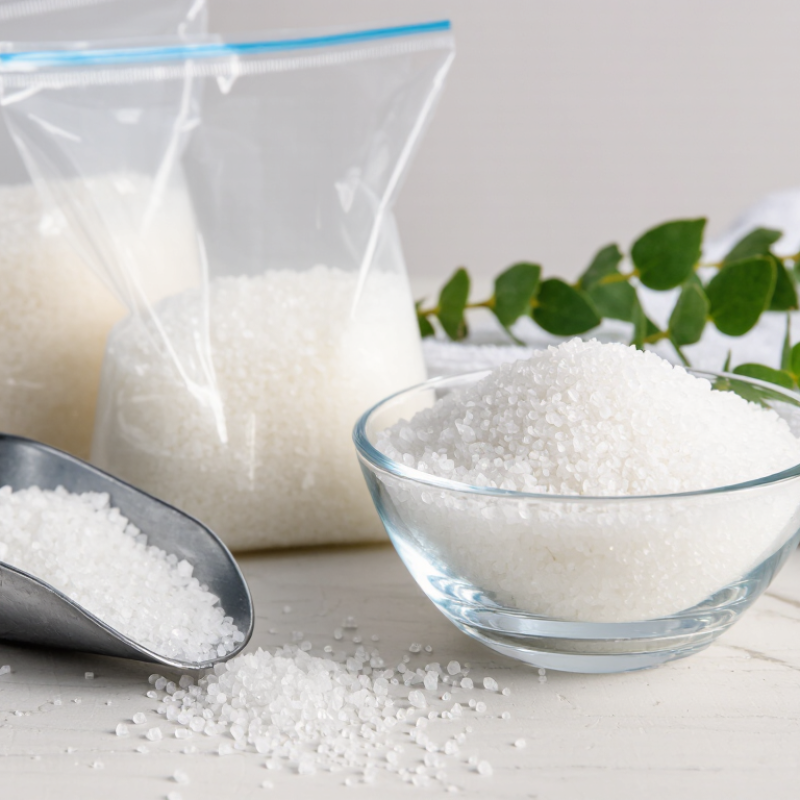
Determine Your Bulk Quantity and Intended Use
Before buying Dead Sea bath salt in bulk, estimate how often it will be used and who will use it. A household taking one bath weekly needs far less than a spa preparing several treatment rooms each day. Check the product directions for the suggested amount per bath; grain size and instructions can differ. Calculate a month’s use, then add only a modest buffer. Plans change.
Tips: Write down the intended use, such as home baths, guest amenities, or professional treatments. Estimate the amount per session, then multiply by sessions each week and weeks between restocking. If you are unsure about texture or how quickly the salt dissolves, try a smaller quantity first. Keep notes. Your first estimate may be off.
Compare package sizes and check that you can store the amount in a cool, dry place. A tightly closed container helps limit moisture and clumping. Consider how quickly the salt can be used after opening, and avoid ordering more than your storage space allows. Follow the package directions, and stop use if irritation occurs. Bulk savings matter less when unused product sits for months.
Check Salt Origin, Mineral Profile, and Ingredient Purity
When buying Dead Sea bath salt in bulk, trace its origin beyond a vague “Dead Sea” label. Ask which shoreline or collection area supplied the salt, and whether it was harvested or further processed elsewhere. Reliable sellers should provide lot numbers and documents linking each shipment to its source. Details matter.
Compare a batch-specific mineral profile, not just a general product sheet. Magnesium, calcium, potassium, and sodium levels can vary with source and processing. A certificate of analysis can help confirm the stated composition; check its date and whether it names the same lot you plan to buy. Mineral claims are not proof of medical benefits. A clean-looking crystal is reassuring, but it proves little.
Read the full ingredient list for added fragrance, dyes, or flow agents, especially if you need unblended salt. Ask about testing for unwanted contaminants and how results are documented. This part can feel tedious. Still, paperwork is more useful than judging purity by color alone. For a bulk order, inspect a small sample first: note the crystal size, any residue, and whether the packaging keeps moisture out. One detail is easy to miss: storage conditions after delivery can affect the salt’s texture.
7 Tips for Buying Dead Sea Bath Salt in Bulk
Check salt origin, mineral profile, and ingredient purity
Representative Dead Sea water mineral concentrations are shown in grams per liter; reported values vary by location, sampling, and measurement basis. These figures describe Dead Sea water, not a specific bath-salt product. When buying in bulk, confirm the salt’s origin, request a batch-specific certificate of analysis, review the mineral profile and full ingredient list, and check for purity testing and suitable packaging.
Compare Bulk Pricing, Packaging, and Shipping Terms
A low bulk price can hide extra costs. Tip one: compare the price per kilogram, not just the sack price. Check whether quotes use the same salt grade, grain size, and order weight. Tip two: ask how pricing changes at different quantities. A larger order may lower the unit price but tie up storage space and cash. Small details matter. Tip three: confirm whether freight, handling, and any destination charges are included.
Packaging affects both handling and product condition. Tip four: compare bag sizes and materials, including whether inner liners help limit moisture exposure. Ask how many bags fit on each pallet and whether the stated weight is net or includes packaging. Tip five: request a sample and product specification before committing to a large shipment. A sample cannot guarantee every lot will match perfectly, so ask how consistency is checked. It is easy to overlook this.
Shipping terms deserve the same attention as price. Tip six: get the estimated dispatch date, transit time, and delivery method in writing. Tip seven: clarify who handles unloading and what happens if bags arrive torn, wet, or short. Keep it simple. Compare the full delivered cost, payment schedule, quote validity, and damage process side by side. I would not assume two similar-looking quotes cover the same services; sometimes the wording is less clear than it should be.
Plan Storage and Review Return Policies Before Ordering
7 Tips for Buying Dead Sea Bath Salt in Bulk
Bulk Dead Sea bath salt needs more storage space than a small order suggests. A 25-kilogram sack is heavy, and a damp corner can turn loose crystals into a compacted block. Keep bags sealed, raised on a pallet, and away from sinks, showers, and exterior walls. Use clean, moisture-resistant bins for opened stock, and label each container with its delivery date and lot number. Follow the supplier’s storage instructions; I would not assume every salt grade handles moisture the same way.
Tip: Measure shelf space, doorways, and floor capacity before ordering. Ask the supplier about bag dimensions, pallet weight, and whether unopened sacks can be returned. Small details matter.
Read the fine print. The National Retail Federation and Happy Returns’ 2024 Retail Returns Landscape report estimated that U.S. retailers would receive $890 billion in returns, or 16.9% of annual sales. That broad figure is not specific to bath salt, but it shows why clear terms matter. Before paying, check whether opened bags are excluded, how quickly damage must be reported, and who covers return freight. Request written details on restocking fees and refund timing, too. A low unit price may not help if a surplus order cannot be sent back.
