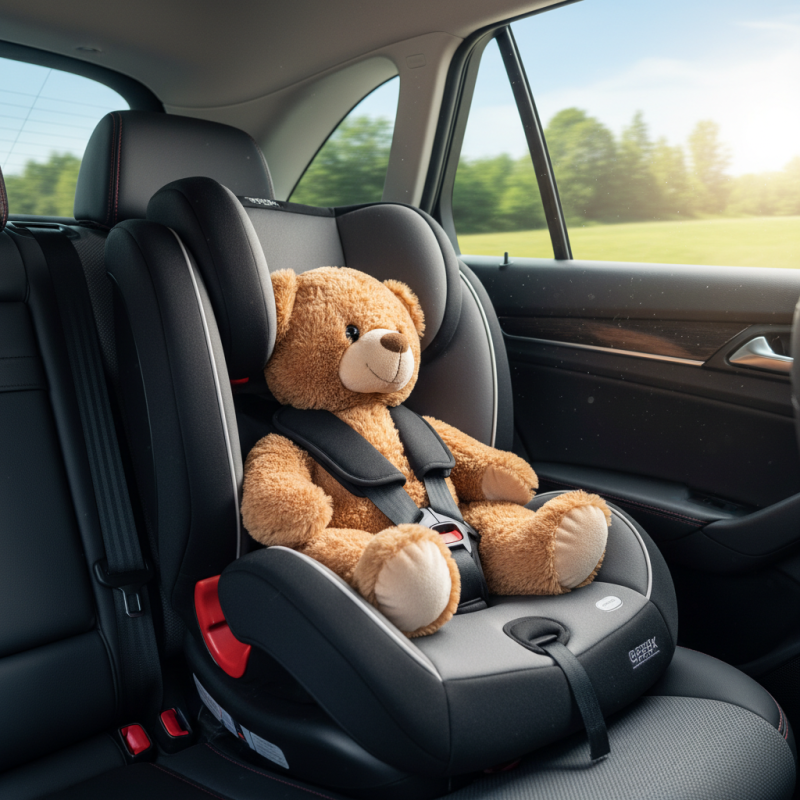
What is a Child Car Seat and Why is it Important?
A Child Car Seat is a crucial safety device designed to protect young passengers during car travel. These seats are specifically engineered for children’s unique needs. They provide essential support and protection by reducing the risk of injury in the event of a crash.
Many parents may underestimate the importance of investing in a high-quality Child Car Seat. Accidents happen quickly, often leaving little time to react. Without proper safety measures, a child’s risk of severe injury increases dramatically. It's unsettling to think that a simple oversight can have dire consequences.
Choosing the right Child Car Seat requires careful consideration. Factors like age, weight, and height play a vital role. Some parents may overlook the guidelines. Others may not replace an old seat when it is necessary. It is important to reflect on these choices to ensure children’s safety.
Definition of a Child Car Seat and Its Types
A child car seat is a crucial safety device designed to protect young passengers in vehicles. These seats come in various types, each catering to different age groups and sizes. Common types include infant seats, convertible seats, and booster seats. Infant seats are rear-facing and ideal for newborns. Convertible seats can switch between rear-facing and forward-facing modes, accommodating children as they grow. Booster seats elevate kids to ensure that seat belts fit correctly.
Choosing the right seat matters. An ill-fitting car seat can compromise safety. Always check the weight and height limits for each seat type. Installation should be firm and secure. Many parents struggle with this. Reading instructions is essential, but sometimes it's not enough. Seeking help from a certified technician can be beneficial.
Tips: Always register your car seat. This ensures you receive updates on recalls. Regularly inspect the seat for wear and tear. Avoid using second-hand seats unless you know their history. Ensure your child remains in a suitable seat for as long as possible. Using the correct seat today can prevent future tragedies.
Importance of Using Child Car Seats for Safety
Child car seats are essential for ensuring the safety of young passengers. They are designed to fit the specific needs of children, protecting them in the case of an accident. Using a proper car seat can significantly reduce the risk of injury. In fact, statistics show that properly secured children are far safer than those without car seats.
Choosing the right car seat is crucial. Always consider your child's age and weight when selecting. It’s important to ensure that the seat is installed correctly. Many parents struggle with installation, which can lead to unsafe situations. Verify that the harness straps are snug. A loose fit can be dangerous in a crash.
Tips: Regularly check if your child has outgrown their car seat. Upgrading as needed keeps them safe. Don’t hesitate to seek assistance from experts when installing the seat. They might catch mistakes that may compromise safety. Lastly, remember that your child should remain in a rear-facing seat as long as possible based on their size. This position offers additional protection for their head and neck.
Legal Requirements and Regulations for Child Car Seat Use
Child car seats are essential for ensuring the safety of young passengers. In many regions, there are strict legal requirements for their use. For instance, according to the National Highway Traffic Safety Administration (NHTSA), about 46% of car seats are not installed correctly. This statistic highlights the importance of regulations that mandate proper installation and usage guidelines.
Age and weight limits are a common part of these regulations. For example, many laws stipulate that children under the age of two must be in a rear-facing seat. Studies show that rear-facing seats reduce the risk of serious injury by up to 82%. However, compliance remains an issue. Many parents are unaware of the specifications for age, height, and weight, leading to unsafe practices.
Different states have varying laws, which can create confusion. Some enforce penalties for non-compliance, while others focus on education. This inconsistency may lead to gaps in safety. Research indicates that comprehensive education efforts significantly improve compliance rates. More outreach is needed to ensure every parent understands the regulations and the importance of proper usage.
Installation Guidelines for Different Types of Child Car Seats
When it comes to child safety in vehicles, the right installation of car seats is crucial. According to the Centers for Disease Control and Prevention (CDC), proper use of a car seat can reduce the risk of death by 71% for infants and 54% for toddlers in passenger vehicles. Yet, many parents struggle with correct installations, leading to alarming statistics. In fact, studies show that nearly 60% of car seats are installed incorrectly.
There are three main types of child car seats: rear-facing, forward-facing, and booster seats. For rear-facing seats, the harness should be snug and the shoulder straps at or below the child’s shoulders. Forward-facing seats require the harness to clip at shoulder level. It's vital to check the seat's angle to ensure it supports your child's head properly. Booster seats elevate the child and should always be used with a lap-and-shoulder belt.
Installation is not a set-it-and-forget-it task. Many parents fail to revisit their car seat setup as children grow. Regularly checking the installation and fit can make a significant difference. Misplaced or unsecured seats can lead to serious injuries in accidents. More awareness and education on installation techniques are necessary for better safety outcomes. Emphasizing these aspects can help parents make informed decisions.
Child Car Seat Usage Statistics
This chart illustrates the number of different types of child car seats currently in use. It highlights the importance of proper installation and usage of appropriate car seats to enhance child safety during travel.
Common Mistakes to Avoid When Using Child Car Seats
Child car seats are essential for the safety of young passengers. However, many parents make mistakes when using them. According to the National Highway Traffic Safety Administration, about 46% of car seats are incorrectly installed. This can lead to severe consequences in the event of a crash.
One common mistake is failing to adjust the harness correctly. The harness should be snug against the child's chest and shoulders. A loose harness can allow the child to move around, risking injury. Parents should check the harness after every ride.
Another oversight is transitioning to a booster seat too early. Children should remain in a car seat until they reach the weight and height limits set by the manufacturer. Experts recommend that children stay in a five-point harness until at least four years old.
Tips: Always consult the user manual for installation guidance. Use the tether anchor if available. Regularly check your child's growth against the car seat specifications.
Never rush these important decisions. Each adjustment can mean the difference between safety and danger. Remember, your child's safety is worth the extra time and effort.