How to Choose the Right Auto Syringe for Your Needs?
Choosing the right Auto Syringe starts with a clear understanding of who will use it, what it must deliver, and where it will be used. A device suited to a clinic may not feel practical for home care. The prescribed medication, dose range, injection route, and required delivery speed all matter. Small details matter. A comfortable grip, readable controls, and straightforward loading can make routine use less stressful.
There is no perfect model for every setting. Some devices prioritize portability, while others offer features designed for frequent or supervised use. Check that the syringe is compatible with the intended medication and approved accessories. Review the manufacturer’s instructions, cleaning requirements, maintenance schedule, and training guidance. These checks are easy to overlook. Even experienced buyers can miss a practical issue, such as a control that is difficult to operate with gloves.
This guide will compare key features, usability, safety considerations, and ongoing costs to help you make an informed choice. It will also explain which questions to ask a healthcare professional or supplier before purchasing. Product specifications are useful, but they do not replace personalized clinical advice. A careful comparison can narrow the options; the final choice should fit the treatment plan and the user’s real needs.
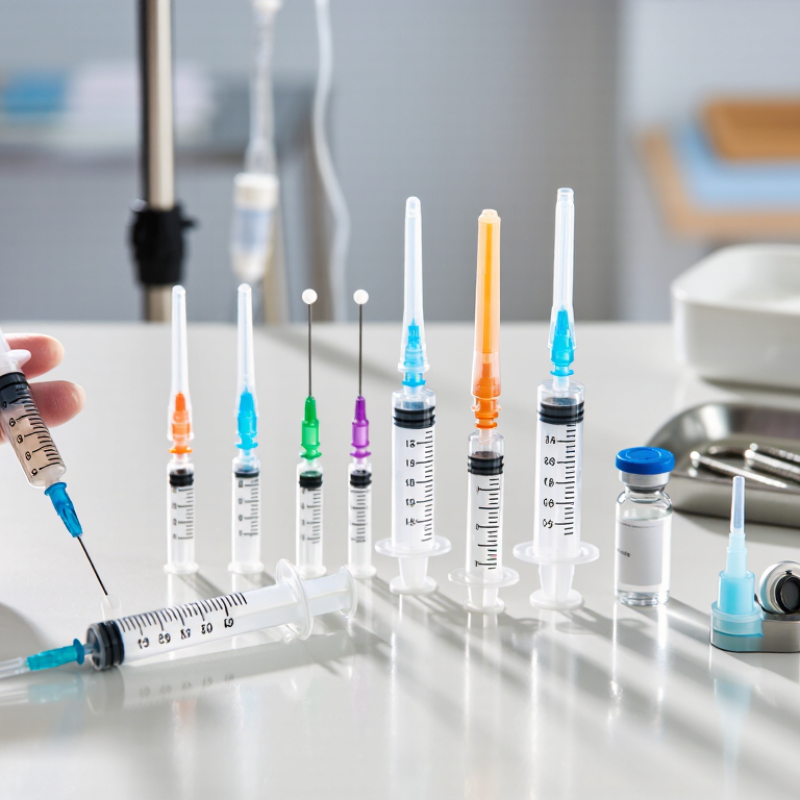
Understand How an Auto Syringe Works
An auto syringe is designed to deliver a set dose with fewer manual steps. In many models, pressing the device against the skin or activating a button releases a spring-driven mechanism. The needle enters, the plunger pushes medicine through it, and a shield may cover the needle afterward. Designs differ, so the exact sequence matters. Read the device instructions and ask a healthcare professional to demonstrate it before use.
Fit matters. Check that the device matches the prescribed medicine, dose, injection route, and storage requirements. Needle length, grip, vision, and hand strength can also affect safe use.
WHO’s 2017 Medication Without Harm report estimated that medication errors cost about US$42 billion worldwide each year. That figure does not measure auto-syringe performance, but it shows why dose checks and clear instructions matter.
I would not assume an “automatic” device is automatically easy. Practise with a training device if available, and confirm what to do if the injection seems incomplete. A small detail can matter.
Identify Your Medication and Dose Requirements
How to Choose the Right Auto Syringe for Your Needs?
Identify Your Medication and Dose Requirements
Start with the prescription, not the device. Confirm the medication, prescribed dose, concentration, and route with your clinician or pharmacist. Check whether the device delivers one fixed dose or allows dose adjustment. A mismatch between the prescribed amount and the device’s delivery can create serious risk. The World Health Organization’s 2017 Medication Without Harm report estimates that medication errors cost US$42 billion annually worldwide. That figure covers many types of errors, but it underscores why dose checks matter. Dose charts can feel overly simple; individual health needs may require professional review.
Tips: Keep the prescription label nearby. Match the medication and dose to the device instructions, and ask a pharmacist to confirm any uncertainty. Check the device’s expiration date and practice steps using its trainer, if available. Don’t guess.
Also consider how the medicine is stored and how quickly it may be needed. Some medications have specific temperature or handling requirements. Make sure the intended user can grip and operate the device comfortably, including during stress. If the dose, concentration, or instructions change, reassess the device choice with a healthcare professional. Small details are easy to overlook. That is exactly why they deserve a second look.
Compare Device Types and Ease-of-Use Features
Auto-injectors vary in shape, dose format, and activation method.
A prefilled, single-use device may suit someone who wants fewer steps; a reusable system may reduce packaging but requires handling and replacing a cartridge. Wearable injectors deliver some prescribed medicines over a longer period, so they suit different treatment routines. Check the prescribed dose, storage needs, grip size, and whether the device can be operated with one hand. Small details count. A stiff cap or unclear window can matter when hands are shaky.
Ease of use should be judged by practice, not packaging. The US Food and Drug Administration’s human-factors guidance recommends evaluating devices with representative users in realistic settings. Ask a clinician or pharmacist to demonstrate the exact model, then practise with its trainer if available. Look for clear dose confirmation, tactile feedback, readable instructions, and a needle shield that engages after use. The World Health Organization’s 2017 report estimated medication errors cost about US$42 billion worldwide each year; that figure covers medication errors broadly, not auto-injectors alone. It underscores why simple, reliable steps matter. A sleek design can still feel awkward in a real routine. Try the grip before deciding.
Check Compatibility, Safety, and Storage Requirements
Choosing an auto syringe starts with the medication’s instructions, not the device’s appearance. Check that the syringe is designed for the specific medication, concentration, dose, and injection route. A device intended for one formulation may not measure another accurately. Confirm that its capacity covers the prescribed dose and that any needle or attachment is compatible. Small details matter. If the instructions are unclear, ask a pharmacist or healthcare professional before using it.
Safety features deserve a close look. Read how the syringe is activated, held, and disposed of, and practice with a demonstration device if one is available. Check the packaging for damage, a broken seal, or an expiration date that has passed. Do not use a device that looks altered or has been stored outside its stated conditions. It is easy to overlook a tiny crack or a stiff mechanism. I would not treat that as a minor inconvenience; ask a professional for guidance instead.
Storage requirements can vary by medication and device. Follow the product’s specific directions for temperature, light, and moisture, and keep the syringe in its original packaging when instructed. Avoid leaving it in a hot car, beside a heater, or in a damp bathroom. Do not refrigerate or freeze it unless the instructions say to do so. If it has been exposed to unusual temperatures, check with a pharmacist before relying on it. A quick check now can prevent a dose from being compromised.
How to Choose the Right Auto-Injector
Storage instructions vary by product. Some U.S. epinephrine auto-injector labels specify storage at 20–25°C, with permitted excursions of 15–30°C. Always follow the instructions for the specific device. Before choosing, confirm medication and dose compatibility, intended user and injection instructions, and storage requirements with a healthcare professional or pharmacist.
Select a Device and Learn How to Use It Safely
Choosing an auto-injector starts with the medicine and dose prescribed for you. Check that the device matches your prescription, and ask a pharmacist or clinician to confirm the fit. Grip, hand strength, vision, and clothing can affect how easily you use it. Small details matter. The label can feel repetitive, but that repetition is useful.
Before an emergency, read the device-specific instructions and practise with a trainer if one is available. Learn where to place the device, how to activate it, and how long to hold it in place. Do not practise with a live device. Check the expiry date and storage instructions regularly. The fit is easy to overlook. If instructions are unclear, ask a healthcare professional to watch you demonstrate the steps.
Safe use also depends on knowing what to do after activation, including whether you need urgent medical care or a second dose. Follow your prescriber’s written plan; do not rely on memory alone. The World Health Organization’s 2017 report, Medication Without Harm, estimated that medication errors cost about US$42 billion worldwide each year. That figure covers medication errors broadly, not auto-injectors specifically, but it shows why clear instructions and careful device handling matter. Keep the instructions accessible, and replace an expired device promptly.
