Skip to content

How to Choose the Best Hiking Boots in 2026?

Choosing the best Hiking Boots in 2026 requires more than comparing logos, colors, or online ratings. A reliable pair should match your terrain, walking style, climate, and foot shape. Rocky alpine trails demand stable midsoles and protective toe caps. Wet forest paths need dependable grip and carefully tested waterproofing. Lightweight summer routes may favor breathability over heavy insulation.

This guide examines the details experienced hikers and footwear specialists consider before buying. Fit remains the starting point. Your heel should stay secure, while your toes need room to move downhill. Try boots with the socks you normally wear. Walk on an incline if possible. A few minutes in a store can reveal pressure near the ankle or unwanted heel lift. Small discomforts often become painful blisters after several hours.

Materials and construction also deserve close attention. Vibram-style rubber compounds, reinforced stitching, and replaceable insoles can improve long-term value. However, technical features do not guarantee comfort. A waterproof membrane may trap heat, and a rigid sole may feel excessive on gentle trails. This is where personal testing matters. No review can fully predict how a boot will behave on your feet.

The right choice balances protection, comfort, durability, and price. It may not be the lightest or newest model. That is worth remembering. Careful comparison, honest fitting, and realistic trail expectations will lead to a safer purchase in 2026.
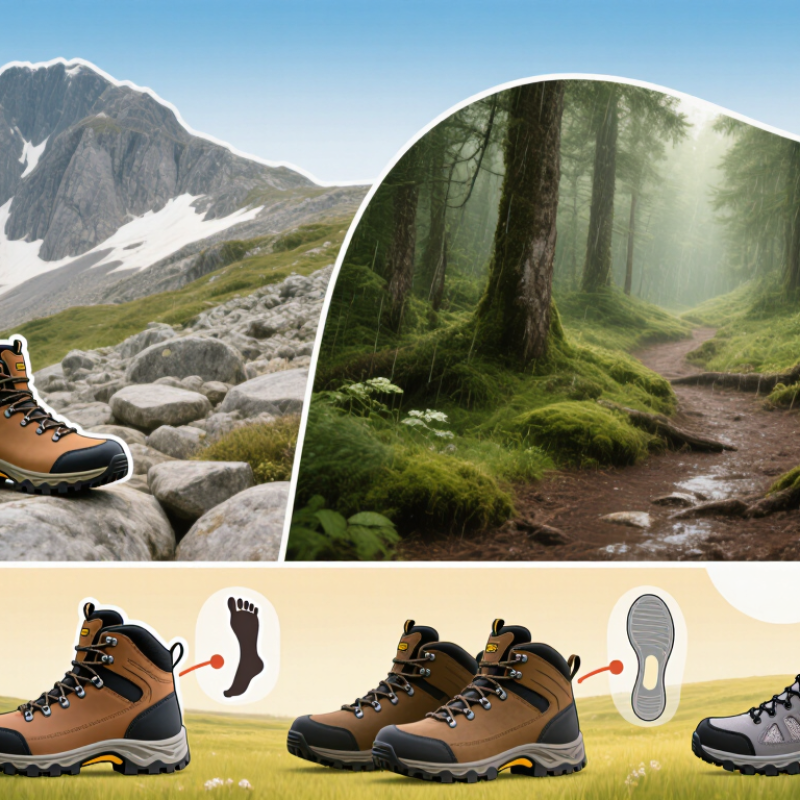
How to Choose the Best Hiking Boots in 2026?

What Makes a Hiking Boot Suitable for Different Trails?

How to Choose the Best Hiking Boots in 2026?
A suitable hiking boot should match the trail, not the marketing label. The Outdoor Industry Association’s 2024 Outdoor Participation Trends Report recorded 61.4 million U.S. hikers in 2023. That scale reflects many conditions, from paved paths to wet alpine routes. Each trail demands different protection.

For smooth park trails, lightweight shoes with flexible soles usually feel natural. Rocky routes need firmer midsoles and deeper lugs for edge control. Mud demands spaced lugs that release soil instead of becoming heavy wedges. On long descents, a secure heel matters more than extreme ankle height. I test this by walking downhill slowly, then stopping suddenly. My heel should not lift.

For wet or uneven terrain, water resistance helps, but fully sealed boots can trap sweat. The American Hiking Society recommends considering weather, distance, and terrain before choosing footwear.

That advice is easy to overlook. I once selected a stiff boot for a short forest trail and finished with hot, tired feet. It was protective, but unsuitable.

Fit requires practical testing. Wear the socks used on the trail. Leave about a thumb’s width before the longest toe. Walk stairs, twist gently, and check pressure around the forefoot. The boot should hold the foot without crushing it. Replace worn lugs early; smooth rubber can turn a damp rock into a serious gamble.

How to Match Boot Design With Terrain, Distance, and Weather

Choosing hiking boots in 2026 starts with the trail, not the newest feature. On rocky alpine paths, select a stiff sole and firm ankle support. Deep lugs help on loose gravel and wet roots. For maintained forest tracks, lighter boots may reduce fatigue. I learned this after carrying rigid boots on a gentle six-mile loop. My feet felt overheated before the climb began.

Match distance with cushioning and break-in time. Short day hikes can suit flexible boots with moderate cushioning. Multi-day routes need stable midsoles and room for swelling. Leave about a thumb’s width before your longest toe. Try boots with hiking socks late in the day. Walk downstairs and stand on a slope. If your heel lifts, blisters may follow. However, fit is personal. A standard rule can fail on unusually wide feet.

Weather also changes the best design. Waterproof membranes help in cold rain, mud, and shallow snow. They may feel warm during humid summer climbs. In dry heat, breathable materials can feel more comfortable. Test the boots near home before trusting them remotely. Wear a loaded pack and walk for an hour. Check hot spots, wet seams, and sole grip. I still prefer extra weight when storms are likely. That judgment is not perfect. Forecasts shift, and trail conditions can be worse than expected.

Which Materials and Features Affect Comfort and Durability?

In 2026, hiking boots are no longer judged by stiffness alone. On a wet, rocky trail, material choices decide whether your feet stay comfortable for hours. Full-grain leather resists abrasion and often develops a protective patina, but it feels heavier and needs careful drying. Synthetic mesh is lighter and dries faster, though sharp rocks can wear it quickly. Waterproof membranes help in rain, yet they may trap heat during warm climbs. I have learned that “waterproof” never means “perfectly breathable.” That distinction matters.

Look for a firm heel counter, a supportive midsole, and a toe box that lets your toes spread naturally. A rockered sole can smooth long descents, while deep, well-spaced lugs improve grip in mud. Avoid choosing maximum cushioning automatically. Too much softness can reduce trail feedback and make uneven ground feel unstable. Fit remains personal. Try boots late in the day, when feet are slightly swollen, and wear the socks you actually hike in. Walk downstairs. Notice heel lift.

Tips: Before buying, bend the boot at the forefoot, not through the middle. Press around the ankle collar for hard edges. Check stitching, eyelets, and the bond between sole and upper. For multi-day trips, choose replaceable insoles and test drying time at home. I once trusted a tight waterproof boot because it felt secure; after six hours, hot spots changed my judgment. Comfort is not a luxury. It is evidence.

How to Find the Right Fit, Support, and Waterproofing

How to Choose the Best Hiking Boots in 2026?

How to Find the Right Fit, Support, and Waterproofing

Fit should be tested late in the day, when feet are slightly swollen. Wear the socks you plan to hike in. Your heel should stay still while your toes can move freely. Leave roughly a thumb’s width in front of the longest toe. Walk downhill indoors if possible. That reveals pressure quickly. I once chose a snug pair that felt perfect at the store. After two hours, my toes hit the front and became sore.

Support should match your route, pack weight, and walking style. A firm midsole can feel stable on loose stones, but excessive stiffness may create discomfort on easy trails. Check whether the boot bends near the toes, not through the middle. Ankle height alone does not guarantee better protection. Lace the lower section firmly, then secure the upper section without cutting circulation. Your foot should feel held, not trapped.

Waterproof boots help in wet grass, shallow mud, and sudden rain. Look for sealed seams, a protective tongue, and enough room for hiking socks. Test them by standing in a shallow container for several minutes, then inspect the lining. Waterproofing often reduces breathability. That trade-off matters in warm weather. Wet feet can come from sweat, not rain. I still prefer a slightly less waterproof boot when temperatures rise, though that choice is not always right for cold, boggy trails.

How to Compare, Test, and Maintain Hiking Boots in 2026

Choosing the best hiking boots in 2026 starts with honest comparison. Match the boot to your terrain, pack weight, and walking habits. Lightweight boots suit maintained trails, while stiffer soles support rocky ground and heavier loads. Measure both feet late in the day. Feet often swell after several hours. Leave about a thumb’s width beyond your longest toe. Your heel should stay secure without painful pressure.

Test boots with the socks you normally hike in. Walk upstairs, squat, and step over a curb. Notice rubbing around the ankle and tightness across the forefoot. Try a short outdoor walk before committing to a long trip. On downhill steps, your toes should not strike the front. A waterproof membrane can help in wet grass, but it may feel warm in dry weather. No boot handles every condition perfectly.

Maintenance affects comfort and lifespan. Remove dirt with a soft brush, then wipe the boots with clean water. Let them dry naturally away from heaters. Heat can damage adhesives and harden leather. Remove the insoles overnight after a wet hike. Check the stitching, eyelets, laces, and tread before each trip. I once ignored a small heel seam, and it became a painful blister problem. That mistake changed my routine. Rotate boots fully before storing them, and use the care product suited to their material. Over-conditioning can soften some materials too much. Some advice online sounds universal, but boot construction varies. Test carefully.

How to Choose the Best Hiking Boots in 2026?

Compare measurable specifications before buying, then test fit, traction, flex, and weather protection on terrain similar to your planned hikes.

The chart shows common comparison ranges for hiking boots: lighter boots generally improve walking efficiency, deeper lugs provide better grip in mud and loose terrain, moderate heel-to-toe drops suit many hikers, and higher waterproof ratings can improve protection in wet conditions. Always confirm comfort, toe room, heel security, and outsole grip through an in-store or field test.