How to Choose the Best Two Photo Frame for Global Buyers?
Choosing the right Two Photo Frame is more complex than selecting a pleasing color or shape. Global buyers must consider materials, dimensions, packaging, safety, shipping conditions, and customer expectations. A frame that performs well in a dry showroom may warp during ocean transport. Small details matter, especially at scale.
Clara Bennett, a display-product consultant with more than fifteen years of sourcing experience, says, “The best photo frame protects the memory before it decorates the room.” This principle guides practical purchasing decisions. Buyers should inspect frame thickness, glass or acrylic clarity, rear-panel strength, hanging hardware, and finish consistency. They should also request product samples before approving large orders. A sample reveals loose joints, uneven coating, sharp edges, or weak clips that photographs cannot show.
Function comes first.
However, no single Two Photo Frame suits every market. Retailers may prefer gift-ready packaging, while hotels and studios may need durable, easy-clean surfaces. Climate also changes the decision. Humid regions require better moisture resistance, while colder markets may expose fragile materials to cracking during delivery. Price remains important, but the lowest quotation can hide higher replacement costs. I have seen buyers overlook packaging and later face damaged corners, scratched panels, and disappointed customers. That mistake is easy to repeat. Careful comparison is not glamorous, but it protects margins and customer trust. This guide examines the key selection points, supplier questions, and quality checks global buyers should consider before placing an order.
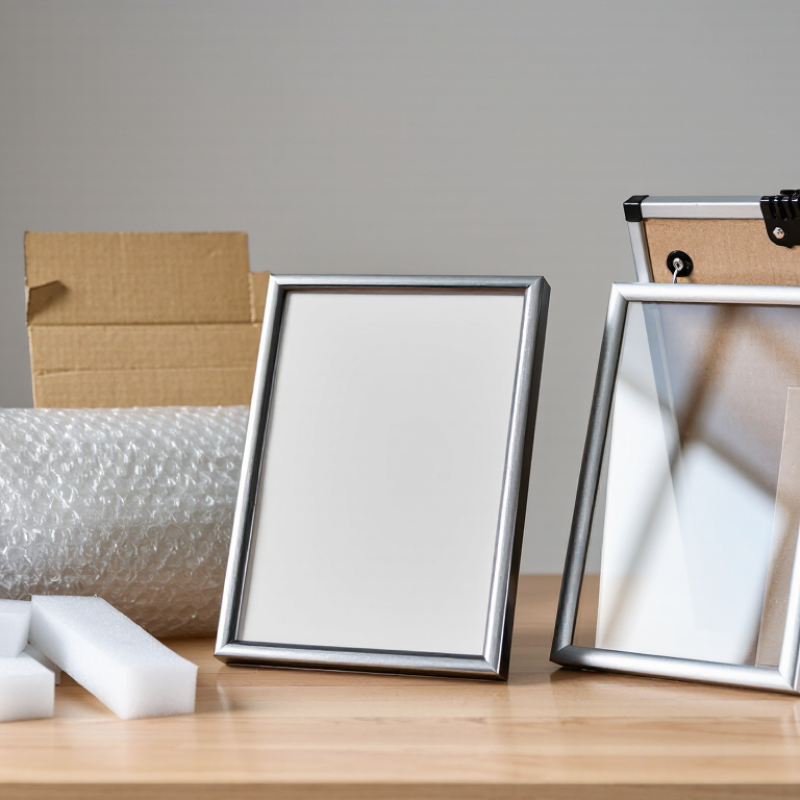
Understanding Two-Photo Frames and Their Main Types
How to Choose the Best Two Photo Frame for Global Buyers?
A two-photo frame displays two images within one coordinated design. It is useful for wedding pairs, parent-and-child portraits, or matching travel memories. The main types are side-by-side, stacked, hinged, and double-sided frames. Side-by-side models suit wide shelves. Stacked designs save horizontal space. Hinged frames add movement and allow flexible viewing angles. Double-sided versions work well on desks or reception counters.
Material changes both appearance and shipping risk. Solid wood offers warmth and visual weight. Metal creates a cleaner, modern profile. Acrylic is lighter, but it may scratch during handling. Glass gives strong clarity, although breakage requires better packaging. According to Grand View Research’s 2024 Digital Photo Frame Market report, the related digital segment was valued at about USD 1.3 billion in 2023. This does not measure traditional frames directly, but it signals continuing interest in displaying personal images at home.
Check photo opening sizes carefully. A frame may look generous, yet its usable area can be smaller than expected. Measure the visible window, not only the outer dimensions. Buyers should also review hanging hardware, backing stability, protective corners, and carton testing. I have found that a beautiful frame can fail when its hinge feels weak. That detail is easy to miss. The World Trade Organization’s trade data also shows how widely household décor moves across borders, making accurate dimensions and durable packaging especially important for global purchasing. Preferences still differ by region, so one design rarely satisfies every buyer.
Assessing Materials, Sizes, Designs, and Display Formats
How to Choose the Best Two Photo Frame for Global Buyers?
When selecting a two-photo frame, begin with its material and construction. Solid wood offers warmth, while aluminum provides a lighter, cleaner appearance. Recycled plastic can reduce weight and shipping costs, but its finish may vary. Check the joints, backing, glass edges, and hanging hardware before approving large quantities. A frame should feel stable, not merely attractive in photographs.
Size influences both presentation and delivery. Common openings suit standard prints, yet regional photo sizes can differ. Measure the visible area, not only the outer frame. Two vertical openings work well for portraits, while horizontal layouts suit travel or family scenes. Consider tabletop and wall display formats. A fold-out stand needs balance, and wall hardware should support the complete weight. Small details matter.
Design should match different interiors without becoming difficult to use. Neutral colors usually travel well, but buyers may prefer regional styles or seasonal finishes. Look for easy-to-clean surfaces and secure back panels. A removable insert can improve flexibility. In practical testing, a frame may look refined but wobble on a narrow shelf. That mistake is easy to miss. Samples should be handled, opened, and mounted repeatedly before purchase. Packaging also deserves inspection, because sharp corners and loose glass can cause avoidable damage during transport. Availability of replacement parts can further support long-term customer trust.
Comparing Quality, Durability, and Manufacturing Standards
Choosing the best two-photo frame requires more than attractive styling. Quality appears in the details: even glass edges, tight corner joints, stable backing, and cleanly aligned apertures. A frame should stand without rocking when two photographs create uneven weight.
Durability depends on material and testing. Moisture-resistant board helps prevent swelling near kitchens or humid bedrooms. Metal or solid wood rails usually resist bending better than thin composite profiles. Ask suppliers for drop-test results, coating specifications, and batch traceability. Small details matter. The ISO Survey 2022 recorded 1,265,216 ISO 9001 certificates worldwide, but ISO 9001 evaluates management systems, not every finished frame. Buyers should still inspect samples and verify product-level checks.
Manufacturing standards also affect long-term reliability. FSC’s 2023 facts report covered more than 160 million hectares of certified forest, making certified wood a practical sourcing reference. For glass, request evidence of edge finishing and breakage testing; sharp, poorly finished edges reveal weak process control. Packaging deserves attention too. A strong frame can arrive damaged if corner protection is minimal. In my experience, suppliers often provide impressive factory images but incomplete inspection records. That gap deserves scrutiny. Ask for measurements, material declarations, inspection frequency, and corrective-action reports. Perfect consistency is unlikely, especially across large production runs. The goal is controlled variation, not unrealistic perfection.
Checking Buyer Needs, Packaging, Pricing, and Customization Options
For global buyers, a two-photo frame should match real household needs, not only showroom appeal. Check photo sizes, wall space, orientation, and material preferences before quoting. Measure the insert carefully. Small errors create expensive returns. The 2024 PwC Voice of the Consumer Survey found that 46% of consumers buy more sustainable products. However, price remains a major barrier. Buyers may value recycled materials, but they still expect sensible pricing.
Packaging deserves the same attention as the frame itself. Use corner protection, a moisture-resistant inner bag, and a rigid outer carton. A drop-tested sample is more useful than attractive packaging claims. The International Safe Transit Association recommends performance testing for shipped products, especially when handling conditions vary. Keep instructions visible and simple. Too much filler increases volume and freight costs. I would still test three packing versions, because the lightest option is not always the cheapest after damage claims.
Pricing should show the full commercial picture. Separate frame cost, customization, packaging, tooling, and delivery charges. Offer clear quantities, such as sample, 100 units, and 500 units. Baymard Institute reports an average online cart abandonment rate of about 70%, often linked to unexpected costs. Transparent quotations can reduce that hesitation. Custom options may include color, logo placement, backing type, and gift-ready packaging. Yet customization can slow production. That limitation should be stated early, even when it risks losing an order.
How to Choose the Best Two Photo Frame for Global Buyers? - Checking Buyer Needs, Packaging, Pricing, and Customization Options
| Buyer Requirement | Recommended Specification | Typical Product Data | Packaging Recommendation | Indicative FOB Price / Unit | Customization Options | Estimated Production Time | Best Fit for Global Buyers |
|---|---|---|---|---|---|---|---|
| Affordable everyday retail | Lightweight, easy to display, and cost-controlled | MDF or engineered wood back; clear glass or PET cover; two 4 × 6 in (10 × 15 cm) openings; approximately 35 × 23 cm overall | Individual polybag or paper sleeve, corner protection, and 5-ply export carton; approximately 12–18 units per carton | US$1.20–2.80 | Paint color, printed insert, hangtag, barcode label, and basic logo printing on packaging | 25–40 days after artwork and sample approval | Supermarkets, discount stores, online value retailers, and seasonal promotions |
| Mid-range home décor | Balanced appearance, durability, and retail presentation | Solid wood or veneered MDF profile; 2 mm glass; two 5 × 7 in (13 × 18 cm) openings; tabletop easel and wall-hanging hardware | Protective foam or molded pulp, recyclable inner box, and reinforced master carton; approximately 6–12 units per carton | US$3.50–7.50 | Wood stain, painted finish, mat board, metal hardware, insert card, and retail gift box | 30–45 days after final approval | Furniture retailers, home décor shops, department stores, and gift channels |
| Premium gift positioning | High-quality materials and refined unboxing experience | Aluminum or hardwood frame; polished glass; two 5 × 7 in or 6 × 8 in openings; approximately 43 × 30 cm overall | Rigid gift box, tissue paper, protective film, molded insert, and double-wall shipping carton | US$8.00–18.00 | Custom dimensions, anodized or plated finish, engraved message, premium mat, magnetic box, and printed sleeve | 35–55 days after prototype approval | Gift shops, wedding collections, premium department stores, and corporate gifting |
| Sustainable retail program | Reduced plastic use and materials with clear sustainability information | FSC-certified wood option, recycled paperboard, water-based coating, two 4 × 6 in openings, and paper-based backing components | Recyclable paper wrap or molded-pulp tray; avoid unnecessary plastic; print recycling instructions on the carton | US$2.80–6.50 | Recycled-content specification, natural finish, soy or water-based inks, sustainability message, and custom carton artwork | 35–50 days after material and artwork approval | Eco-focused retailers, lifestyle stores, museums, and environmentally conscious e-commerce sellers |
| Small-batch testing | Low initial commitment with standard components | Standard MDF or plastic frame; two 4 × 6 in openings; neutral black, white, or natural color; tabletop orientation | Single-unit carton or protective mailer with kraft paper cushioning; suitable for direct-to-consumer fulfillment | US$2.50–6.00 | Limited to standard colors, packaging labels, insert cards, and simple artwork changes | 20–35 days after order confirmation | New online sellers, market testing, limited editions, and regional product launches |
| Large-volume import program | Stable specifications, efficient carton utilization, and predictable replenishment | Standardized two-opening design; 4 × 6 in or 5 × 7 in photo capacity; stackable profile; consistent hardware and finish | Master carton optimized for pallet loading; dividers, drop-test review, carton markings, and moisture protection where required | US$1.00–4.50 | Color matching, custom mold or profile, carton artwork, barcode system, inspection standard, and replenishment packaging | 30–50 days for repeat orders; longer for new tooling | National retail chains, wholesalers, importers, and multi-country distribution |
Selecting Reliable Suppliers for Global Two-Photo Frame Orders
How to Choose the Best Two Photo Frame for Global Buyers
Selecting Reliable Suppliers for Global Two-Photo Frame Orders
A two-photo frame should survive transport, assembly, and daily handling. Global buyers need suppliers who document these details, not merely promise low prices. Check frame dimensions, glass thickness, backing strength, corner protection, and packaging drop-test results. The International Trade Centre’s SME Competitiveness Outlook highlights quality management as a key factor in international trade performance. Ask for measurable evidence.
Supplier audits should cover production capacity, material traceability, inspection records, and worker safety. ISO 9001 certification can support process consistency, but it does not replace product testing. Request a pre-production sample with actual inserts, hinges, and wall hardware. Measure the finished frame yourself. Small differences matter. A two-millimeter misalignment can damage the retail presentation.
McKinsey’s B2B Pulse research reports that buyers increasingly use multiple sales channels, making clear digital documentation more important. Require quotations showing carton dimensions, gross weight, lead time, payment terms, and Incoterms. DHL’s 2024 E-Commerce Trends Report also stresses delivery expectations as a major purchase consideration. Confirm the supplier’s export packing method and claims procedure before ordering. My own early sourcing mistake was trusting a polished sample without checking mass-production consistency. The sample looked excellent. The first shipment did not. A written inspection plan, independent checks, and a small trial order reduce that risk. Suppliers should accept reasonable questions, including uncomfortable ones.
How to Choose the Best Two-Photo Frame for Global Buyers
The chart presents a practical 100-point supplier evaluation model for international two-photo frame orders. Product quality and landed cost receive the highest weights, while delivery reliability, minimum order quantity, customization, compliance documentation, and communication help reduce purchasing and logistics risks.
Recommended evaluation weights (%): use the same criteria to compare quotations from multiple suppliers without relying on company or brand names.