Top Custom Shoe Service Options for 2026 Global Buyers?
In recent years, the demand for Custom Shoe Service has surged among global buyers. According to a 2023 market research report, the custom footwear industry is projected to grow by 8.3% annually, reaching $6.5 billion by 2026. This rise is driven by personalization trends and advances in manufacturing technology. Consumers seek unique designs that reflect their style, leading brands to innovate.
Professionals in the shoe industry emphasize the importance of high-quality materials and skilled craftsmanship. Reports indicate that about 58% of buyers prioritize comfort and fit in their custom shoe choices. However, many services still face challenges in delivery times and inconsistent quality. These issues can lead to customer dissatisfaction and lost trust. Thus, it's essential for brands to improve their processes.
Reflecting on the evolving landscape, the need for transparency and reliability in Custom Shoe Service is evident. As buyer expectations continue to grow, companies must adapt. Ensuring consistent quality and clear communication will be key factors in retaining consumer loyalty. The future of custom footwear lies in balancing personalized service with operational efficiency.
Emerging Trends in Custom Shoe Design for 2026
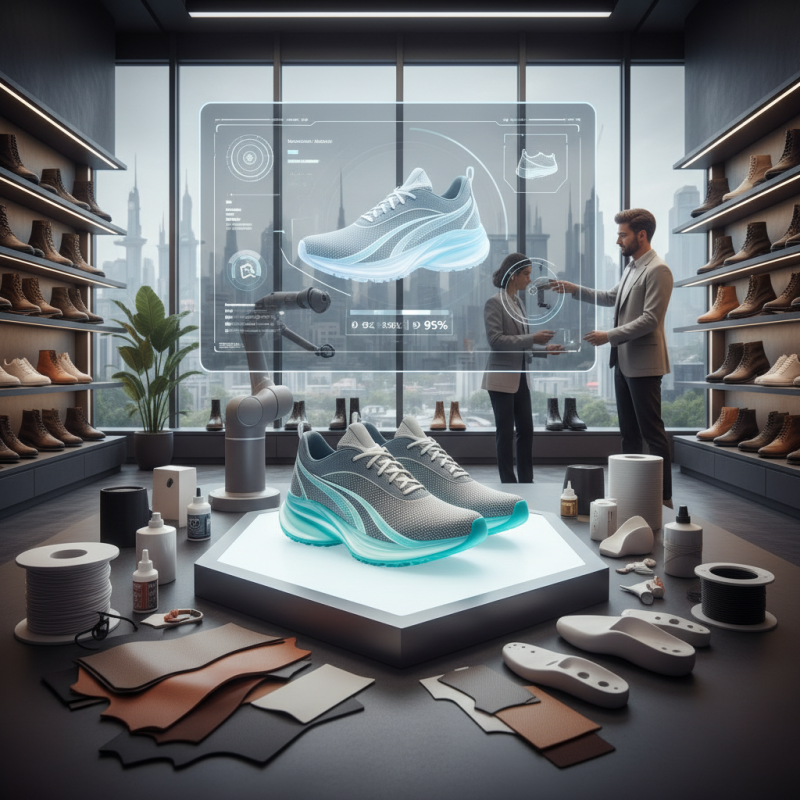
Emerging trends in custom shoe design for 2026 reflect a fusion of sustainability, technology, and individuality. More buyers are demanding environmentally friendly materials. Recycled plastics and organic fabrics are becoming common choices. This shift leads to innovative designs that don't compromise on performance or style. As a result, brands are now experimenting with local sourcing. They seek to minimize their carbon footprint while enhancing community support.
Personalization remains a key driver in custom footwear. Consumers crave unique designs that express their identities. Digital platforms now allow for real-time customization. Users can modify colors, materials, and even shapes. This level of involvement fosters a sense of ownership. Despite these advancements, challenges persist. Not every buyer is comfortable with the tech involved. Some may prefer traditional methods. Balancing cutting-edge technology and classic craftsmanship is crucial. The industry must listen carefully to diverse consumer needs.
Moreover, there’s an increasing interest in performance-oriented features. Buyers want shoes that enhance their athletic abilities. Innovations like cushioning technology or biomechanical support are critical. Yet, not every trendy feature guarantees success. Buyers often reconsider their choices later. Reflecting on the functionality against aesthetics remains vital. This evolving landscape underscores the importance of adaptability in custom shoe design.
Top Custom Shoe Service Options for 2026 Global Buyers
This chart displays the projected popularity of various custom shoe service options among global buyers in 2026. It highlights the emerging trends in custom shoe design, emphasizing the increasing demand for personalization and innovative technology.
Key Players in the Global Custom Shoe Market
The custom shoe market is evolving rapidly. By 2026, experts predict it will reach $20 billion globally. Personalized footwear offerings attract consumers seeking unique styles. This trend is driven by younger shoppers who value individuality in their purchases.
Key players in this market include innovative manufacturers and designers. They provide a wide array of options, from color selections to material choices. According to recent reports, 70% of buyers express interest in custom features. However, challenges remain. Sizing inconsistencies can lead to dissatisfaction. The technology to create perfect-fit shoes is still being refined.
Sustainability is another critical concern for buyers. Many companies are exploring eco-friendly materials for custom designs. Reports indicate that about 55% of consumers prefer sustainable options. This shift presents opportunities for new business models. Yet, balancing quality and environmental impact requires ongoing effort, reminding industry players to adapt and grow.
Sustainable Materials in Custom Footwear Production
In 2026, the custom shoe market is increasingly leaning towards sustainable materials. Reports indicate that 60% of consumers prioritize eco-friendly options in their footwear choices. This trend is shifting the industry towards innovative materials that reduce environmental impact. For example, shoes made from recycled plastics are becoming popular. Using sustainable materials not only appeals to buyers but also helps brands meet environmental standards.
Incorporating natural fibers like organic cotton, hemp, and even mycelium has gained traction. Industry studies highlight that these materials can reduce carbon footprints significantly. A report by the Sustainable Footwear Alliance shows that shoes made with sustainable processes can reduce waste by 30%. As production techniques evolve, consumers now expect transparency about sourcing and manufacturing practices.
Tip: When selecting custom shoes, look for companies that certify their materials. This ensures you support sustainable practices and make informed choices. Another tip is to consider the longevity of the footwear. Investing in high-quality, durable shoes can minimize waste over time. Reflect on your purchasing habits; are you contributing to a sustainable future? Balance your style and environmental responsibility when choosing custom footwear.
Consumer Preferences Shaping Custom Shoe Services
As consumer preferences evolve, the demand for custom shoe services has surged. Recent studies indicate that about 70% of shoppers prioritize personalization. They seek unique designs that reflect their individual style and identity. This trend is reshaping how brands approach custom shoe offerings.
Data shows that 58% of buyers are influenced by social media and peer recommendations. This highlights the importance of community and feedback in the purchasing process. Customization goes beyond aesthetics; it includes fit, material, and functionality. However, balancing wide-ranging options with consumer expectations can be challenging. Some brands struggle to deliver on promises of quality and speedy service.
Moreover, sustainability plays a vital role. A report revealed that 64% of consumers prefer brands with eco-friendly practices. This pressure compels companies to innovate while being mindful of their environmental impact. Nevertheless, not all brands have successfully integrated sustainability into their models. As a result, the industry must continue to reflect on their practices and align with consumer values to thrive in this competitive landscape.
Top Custom Shoe Service Options for 2026 Global Buyers
| Service Categories | Features | Consumer Preference (%) |
| 3D Printed Custom Shoes | Personalized fit, fast production | 35% |
| Eco-Friendly Materials | Sustainable sourcing, biodegradable options | 30% |
| Virtual Design Experience | Augmented reality fitting | 25% |
| Premium Customization | High-end materials, bespoke designs | 20% |
| Fast Turnaround Times | Quick delivery options | 40% |
Technological Innovations in Custom Shoe Manufacturing
The custom shoe industry is witnessing significant technological innovations as we approach 2026. The integration of 3D printing technology has revolutionized how shoes are designed and manufactured. According to a recent industry report, around 30% of custom shoes will be produced through additive manufacturing within the next few years. This method reduces waste and allows for intricate designs that traditional methods struggle to achieve.
Moreover, augmented reality (AR) is enhancing the shopping experience. Consumers can visualize how shoes will look and fit without ever trying them on. A study revealed that AR can increase purchase confidence by up to 40%. However, there are challenges. Many users may face technical issues or require further adaptation to new interfaces. Brands must invest in user education to bridge this gap effectively.
The growth of artificial intelligence (AI) in custom shoe design is another game changer. AI algorithms analyze consumer data to predict trends and preferences. This can personalize shoe designs at an unprecedented level. Yet, the reliance on data raises privacy concerns. How companies handle this information will be critical for building trust with consumers.
Balancing innovation with ethical considerations is essential for sustainable growth in this sector.
