What Are the Top 10 Fleece Fabric Suppliers?
Choosing among the top 10 Fleece Fabric suppliers requires more than comparing colorful swatches or advertised prices. Manufacturers often need stable weight, a soft hand feel, reliable dye lots, and predictable delivery. A fleece jacket may look excellent on a sample table, yet shed fibers after repeated washing. That difference matters in production. This guide examines ten notable suppliers through practical purchasing criteria, rather than popularity alone. The review considers fabric composition, GSM ranges, stretch performance, pilling resistance, color consistency, and finishing options. It also considers whether a supplier communicates clearly when specifications change. That detail is easy to overlook.
Information is assessed through supplier documentation, product samples, published certifications, and common sourcing practices. Where available, we look for recycled-polyester claims supported by recognized standards, laboratory test reports, and traceable production information. We also compare minimum order quantities, sample policies, lead times, packaging, and responsiveness. A low quote may hide expensive sampling delays or inconsistent fabric rolls. A higher price may be reasonable when testing and quality control are stronger. Still, no supplier suits every buyer. One factory may excel at bulk basics, while another handles custom colors or small development runs better. No ranking is perfectly objective. Some information may change. Buyers should confirm current capacity, compliance documents, testing results, and final specifications before placing an order. This cautious step can prevent costly surprises.
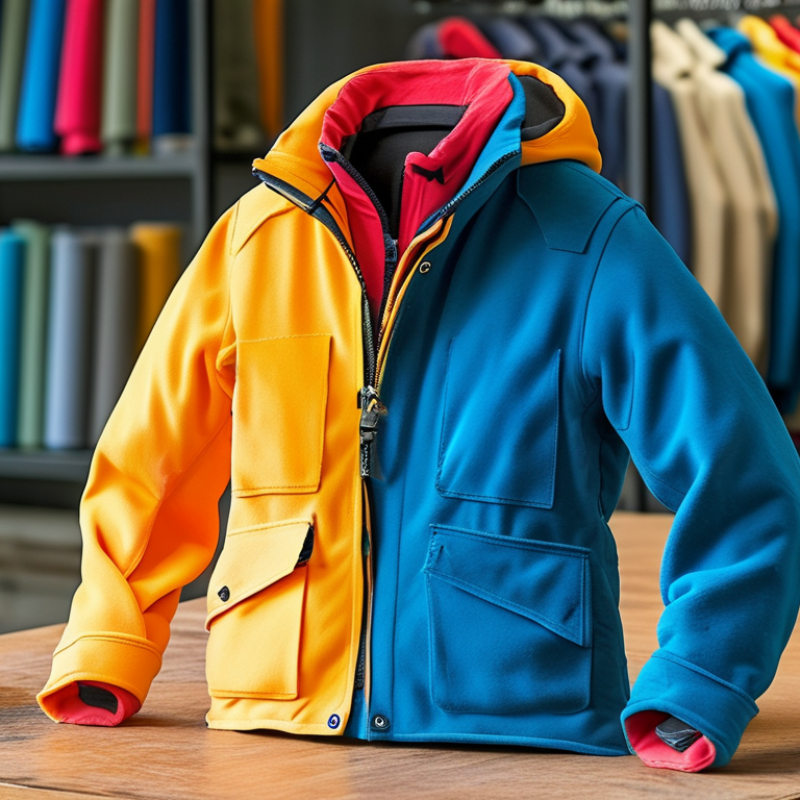
What Is Fleece Fabric and How Is It Made?
Fleece fabric is a soft, knitted textile designed to trap warm air. It is not sheep fleece. Most commercial fleece uses polyester, a polymer made from petroleum or recycled plastic. Textile Exchange’s 2024 Materials Market Report estimates global fiber production reached 124 million tonnes in 2023. Polyester represented about 59% of that output. Recycled polyester made up roughly 14% of polyester production.
The process begins with polymer chips. Manufacturers melt and extrude them through tiny openings, creating continuous filaments. These filaments are drawn, twisted, and knitted into a smooth fabric. Large brushing rollers then pull surface loops upward. Shearing controls the pile height, while heat setting stabilizes the fabric. That creates the familiar warm, cloudy surface.
Small details change performance.
A 200–300 GSM fleece usually feels warmer than lightweight fleece, but construction matters more than weight alone. Fiber diameter, knit density, air permeability, and brushing depth affect insulation and durability. Testing should include pilling, dimensional change, colorfastness, and abrasion resistance. ASTM and ISO textile methods support more consistent comparisons.
Recycled content can reduce dependence on new feedstock, but it does not automatically make fleece sustainable. Washing may release plastic microfibers, and finishing treatments can complicate recycling. Supplier claims deserve verification through test reports, chain-of-custody documents, and physical samples. A fabric can feel excellent in a showroom yet pill quickly after repeated wear. That uncomfortable possibility should remain part of the buying decision.
What Factors Define a Leading Fleece Fabric Supplier?
A leading fleece fabric supplier is not defined by a glossy catalog alone. In my sourcing experience, consistency matters more than dramatic claims. The fabric should show even brushing, stable color, and a soft handfeel across different production lots. Ask for GSM records, fiber content, width tolerance, and shrinkage data. A useful supplier shares these details before a purchase order. They should also provide laboratory reports for colorfastness, pilling, abrasion, and restricted substances. Independent testing adds credibility. It does not replace practical inspection. Touching a sample after washing can reveal surprises. Tiny fiber balls may appear only then.
Production control separates dependable suppliers from occasional sellers. Check whether they monitor knitting tension, dye-bath conditions, drying temperature, and raising settings. These steps influence warmth, density, and surface recovery. A technically capable team can explain variations without hiding them. Clear communication is equally important. Response speed, accurate lead times, and written corrective actions reduce costly uncertainty. Ethical sourcing also matters. Review worker safety practices, material traceability, and environmental handling records. Auditable documentation is stronger than vague promises. Still, no supplier is perfect. A minor shade difference may pass internal review but fail under retail lighting. I would use a pilot order, wash-test multiple rolls, and record every result. Price matters, but compare it with defect rates, replacement support, and delivery reliability.
How Do the Top 10 Fleece Fabric Suppliers Compare?
What Are the Top 10 Fleece Fabric Suppliers?
The top 10 fleece fabric suppliers should be compared by performance, not popularity alone. A reliable supplier provides clear fiber content, fabric weight, width, and shrinkage data. These details matter when fleece becomes jackets, blankets, or children’s clothing. A 240 GSM fabric feels different from a 160 GSM option. It also behaves differently during cutting and washing.
Production consistency separates strong suppliers from average ones. Check sample rolls for pilling, uneven dyeing, loose fibers, and poor recovery. Ask about laboratory testing, inspection procedures, and certification records. Lead time, minimum order quantity, and communication quality also affect real costs. A low price can mislead. Delayed goods may stop an entire production line. Custom colors and recycled fibers are useful, but their availability should be confirmed in writing. No supplier performs perfectly in every category.
Tips: Request samples from several suppliers. Wash them before approval. Compare softness, stretch, color stability, and edge curling under identical conditions. Ask for a recent test report, not an old template. I would also record delivery accuracy across multiple orders. One successful shipment proves very little. Pricing deserves careful attention, yet durability often creates better value over time. Some comparisons remain incomplete because suppliers may provide different testing methods. That limitation should be noted, not hidden.
What Are the Top 10 Fleece Fabric Suppliers?
How Do the Top 10 Fleece Fabric Suppliers Compare?
This comparison uses common commercial fleece categories and their typical fabric weights in grams per square metre (GSM). Higher GSM generally indicates a heavier and warmer fabric, while actual specifications may vary by mill, construction, finishing, and order requirements.
The benchmark values represent typical published specification ranges used across commercial fleece sourcing catalogs and are intended for product-level comparison rather than company ranking.
Which Fleece Products and Industries Do These Suppliers Serve?
The top 10 fleece fabric suppliers typically serve several product categories, not one narrow market. Their ranges may include polar fleece, microfleece, sherpa, stretch fleece, bonded fleece, and anti-pill constructions. Recycled polyester options are also expanding. Textile Exchange’s Materials Market Report 2024 states that polyester represented about 57% of global fiber production in 2023. This helps explain fleece’s strong position in jackets, hoodies, blankets, baby products, and cold-weather accessories.
These suppliers support outdoor apparel, sportswear, workwear, uniforms, home textiles, and promotional merchandise. Outdoor manufacturers often request breathable grids, brushed interiors, or water-resistant finishes. Workwear buyers may need stronger seams and certified recycled content. Home-textile producers usually prefer heavier fabrics, soft hand-feel, and stable color after washing. According to Grand View Research, the global technical textiles market continues to grow, with performance and functional materials driving demand across industrial and consumer applications. However, “high performance” can be vague. Buyers should request test results for pilling, abrasion, colorfastness, shrinkage, and moisture management.
Tips: Compare fabric weight, fiber content, finish, and testing standards before choosing a supplier. Ask for physical samples. A catalog can hide uneven brushing, stiff backing, or excessive shedding. Suppliers serving multiple industries may offer better customization, but smaller orders can receive less attention. That risk deserves a clear sampling schedule, written tolerances, and a pre-production approval.
How Can Buyers Select the Right Fleece Fabric Supplier?
Choosing among the top 10 fleece fabric suppliers requires more than comparing prices. Buyers should inspect fiber content, fabric weight, stretch recovery, and finishing methods. A sample should feel consistent after washing, not only under showroom lighting. Small details matter.
Request recent test reports for pilling, colorfastness, shrinkage, and seam performance. Confirm whether an independent laboratory issued them. Reliable suppliers explain testing limits instead of promising perfect results. Ask for production samples with the same recycled or virgin fiber content as the final order. A substitute can change softness and durability.
Production experience also shows in practical records. Check minimum order quantities, lead times, dye-lot control, packaging, and complaint procedures. A capable supplier should describe how it handles shade differences between batches. Visit the facility when possible, or request dated video evidence and quality records. Traceable raw materials strengthen purchasing decisions, especially for long-term programs.
Communication deserves equal attention. Can the supplier answer technical questions clearly? Do they report delays before shipment dates are missed? Written specifications prevent costly misunderstandings. Buyers should compare total cost, including testing, transport, rejected rolls, and rework. The cheapest quote may age badly.
No supplier is flawless. I once underestimated color variation under warehouse lighting; the approval sample looked right, but the bulk fabric did not. A controlled light box and signed shade standard would have prevented that mistake. Allow time for a second review. Voices from production teams often reveal risks that sales calls miss.