China Top 10 Maternity Pads Suppliers?
Choosing reliable Maternity Pads suppliers in China requires more than comparing product prices. Hospitals, retailers, and private-label brands need stable absorbency, skin-friendly materials, clean production areas, and responsive communication. Supplier claims can sound impressive. Factory evidence matters more.
Dr. Alyssa Dweck, a board-certified gynecologist and women’s health expert, has said, “Menstrual products are not one-size-fits-all.” This practical point also applies to postpartum care. Mothers may need different lengths, widths, absorbency levels, and adhesive strengths after delivery. A soft surface can reduce discomfort. A wider back may help prevent nighttime leakage. Packaging should also protect hygiene during transport and storage.
This guide examines China’s top 10 Maternity Pads suppliers through a practical sourcing lens. It considers manufacturing experience, material transparency, quality-control systems, customization options, export capability, and customer support. Certifications can help. They do not replace independent verification.
We also look at factory photographs, production capacity, sample consistency, and private-label flexibility. Small details matter, including wing adhesion and individual wrapping. Some supplier rankings remain imperfect because public data changes quickly. A company may appear strong online but respond slowly during sampling. Another may have fewer reviews but better production discipline.
Buyers should treat this list as a starting point, not a final decision. Request current documents, test samples, and clarify delivery terms before placing an order. Reliable Maternity Pads sourcing requires evidence, patience, and a willingness to question attractive promises.
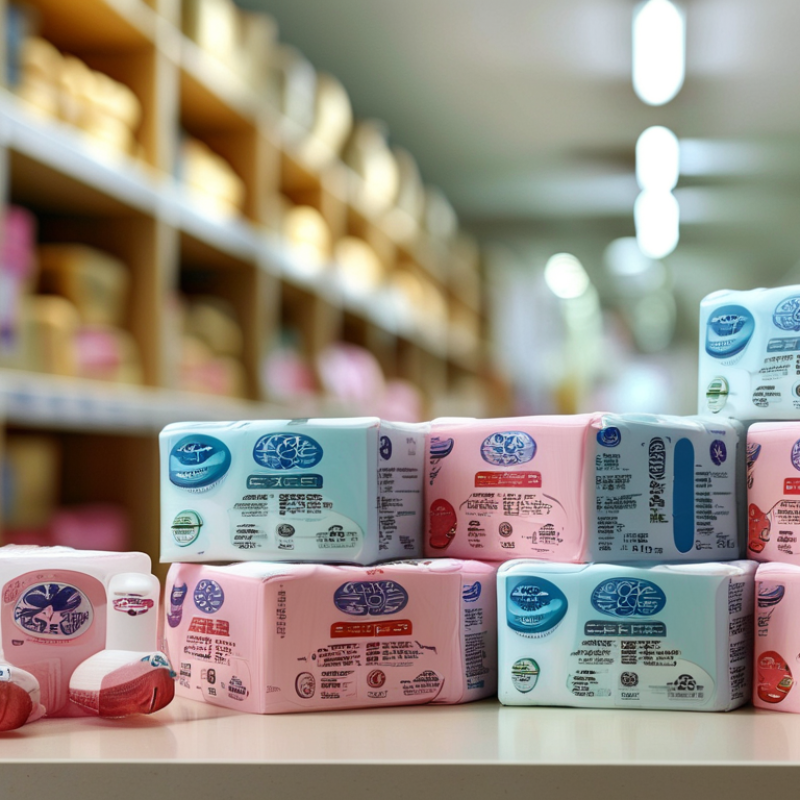
China’s Maternity Pad Market: 9.02 Million Births Recorded in 2023
China’s maternity pad market is shaped by a clear demographic signal. The National Bureau of Statistics recorded 9.02 million births in 2023. The national birth rate was 6.39 per 1,000 people. This figure shows demand, but it does not guarantee equal regional purchasing activity.
Postpartum care differs between hospitals, families, and online buyers. Larger maternity pads often need higher absorbency, breathable back sheets, and secure side protection. Buyers also examine softness, odor control, packaging hygiene, and delivery reliability. Euromonitor International’s hygiene research indicates that Chinese consumers increasingly compare product function, safety claims, and value before purchase. Specifications matter more than attractive wording.
For companies reviewing China’s top ten maternity pad suppliers, factory evidence should come first. Useful checks include production licenses, third-party testing, raw-material traceability, and batch inspection records. Suppliers should explain absorbency results using test methods, not vague promises. The China National Accreditation Service can help verify qualified testing laboratories. Still, supplier rankings remain imperfect. Public data rarely separates maternity pads from broader feminine hygiene products. That gap deserves attention. A strong shortlist should also assess sample consistency, complaint handling, minimum order quantities, and export documentation. These practical details often decide whether a promising quotation works in real hospital or retail conditions.
China’s Maternity Pad Market: 9.02 Million Births Recorded in 2023
China recorded approximately 9.02 million births in 2023, continuing a long-term decline from the recent peak of 17.86 million births in 2016. This demographic trend provides important context for estimating demand in the maternity pad market. Data source: National Bureau of Statistics of China.
Maternity Pad Basics: Absorbency, GSM, SAP, and ISO 9001 Requirements
China’s maternity pad suppliers must explain performance with measurable specifications, not soft claims. Absorbency depends on fluid volume, acquisition speed, retention, and leakage control. A higher GSM is not automatically better. Excess pulp can create a thick, stiff pad that shifts under a postpartum garment.
SAP supports retention after fluid enters the core. Its percentage matters, but distribution matters more. Poorly dispersed SAP may swell in one spot and leave dry channels elsewhere. Suppliers should disclose core weight, SAP ratio, absorbency capacity, rewet results, and liquid strike-through time. EDANA absorbent hygiene testing methods provide useful laboratory references for comparing these results. Real testing still matters more than a catalog number. Human movement is unpredictable.
Market data also deserves careful reading. Grand View Research valued the global feminine hygiene market at approximately USD 22.38 billion in 2023, covering several product categories, not maternity pads alone. This distinction prevents inflated sales claims. Buyers should request samples tested with synthetic menstrual or postpartum fluid, under pressure and repeated loading. ISO 9001:2015 certification can demonstrate documented quality processes, corrective actions, traceability, and supplier controls. It does not prove superior absorbency. Ask for the certificate scope and audit status. A certificate without batch records is incomplete evidence.
China’s Top 10 Supplier Profiles: Capacity, MOQ, Certifications, and Exports
China Top 10 Maternity Pads Suppliers?
China’s leading maternity pad suppliers differ sharply in factory scale. Public industry research gives useful context. Grand View Research estimates the global feminine hygiene market will continue growing through 2030, driven by postpartum care and disposable products. However, market growth does not prove supplier quality. Buyers should request monthly output, production-line counts, and recent utilization rates from each of the ten profiles.
Capacity needs context.
A practical comparison should record MOQ, sample policy, and lead time. Smaller factories may accept 5,000 to 20,000 pieces per design, while larger exporters often quote higher minimums for customized packaging. The key certifications include ISO 9001, ISO 13485 where applicable, and third-party testing for absorbency, skin safety, and microbial limits. SGS and Intertek reports can support claims, but buyers must check product names, dates, and testing standards carefully.
Export experience deserves equal attention. UN Comtrade trade data can help verify China’s shipment activity under relevant absorbent hygiene product classifications. Supplier profiles should identify destination regions, annual export volume, and familiarity with labeling rules. Factory audits should examine clean zones, warehouse humidity, batch records, and complaint handling. Some profiles may report impressive capacity but provide weak evidence. That is a warning. I would also challenge unusually low MOQs; they can hide limited customization or inconsistent material sourcing. Fancy certificates are not enough. On-site evidence still matters.
Safety Standards: GB 15979-2002, ISO 10993, and Microbial-Control Testing
China Top 10 Maternity Pads Suppliers: Safety Standards Matter
A shortlist of China’s top ten maternity-pad suppliers should begin with hygiene evidence, not catalogue photos. WHO and UNICEF’s 2023 Joint Monitoring Programme reports that about 1.8 billion people menstruate monthly. That scale makes contamination control a practical concern. GB 15979-2002 sets hygiene requirements for disposable sanitary products, including microbial limits and the absence of specified pathogens. Ask suppliers for recent finished-product reports, not old laboratory templates. Check batch numbers, test dates, sample quantities, and laboratory accreditation.
ISO 10993 requires a biological safety evaluation based on contact type and duration. It is not a universal “safe” certificate. For pads, relevant assessments may include cytotoxicity, irritation, and sensitization, depending on materials and claims. Microbial-control testing should cover raw materials, production rooms, employee hygiene, and finished goods. Bioburden testing, environmental swabs, and sealed-package checks can reveal weak points. A 2024 global hygiene-market analysis by Smithers identified quality assurance and traceability as continuing priorities in absorbent-product manufacturing. Still, market reports are not substitutes for product testing. I would also question unusually perfect results.
Tips: Request three consecutive batch reports. Confirm the test method and detection limits. Inspect storage areas for humidity, dust, and damaged cartons. Review corrective-action records after failed tests. A supplier that shares problems clearly may be more reliable than one offering only polished certificates.
