Skip to content

China Top Plant Based Laundry Detergent Manufacturers?

China’s plant-based laundry detergent market is expanding beyond simple “natural” claims. Manufacturers now compete through formulation science, traceable ingredients, and measurable washing performance.

A credible Plant Based Laundry Detergent supplier should explain its surfactant sources clearly. Common options include coconut, corn, sugar, and other renewable feedstocks. Yet plant-derived does not automatically mean safer, cleaner, or more sustainable. The details matter.

Paul Anastas, a leading green chemistry expert, offers a useful standard: “It is better to prevent pollution than to treat it.” This principle applies directly to detergent production. Buyers should examine biodegradable formulas, concentrated packaging, wastewater considerations, and factory energy practices. Certifications can help, but they are not the whole story.

China has strong manufacturing capabilities, especially in private-label production and export logistics. Many factories provide customized scents, packaging, enzyme systems, and low-temperature formulas. Some also support laboratory testing and batch documentation. These services can shorten development time for emerging brands.

Still, supplier selection requires careful judgment. A polished website proves very little. Ask for ingredient specifications, safety data, stability results, and recent quality records. Request samples for cold-water washing, hard-water performance, residue, and scent longevity. A detergent may smell pleasant in a bottle yet perform poorly on cotton towels.

The strongest manufacturers combine plant-based chemistry with disciplined quality control. They also acknowledge limitations instead of promising perfect sustainability. That honesty matters. This guide examines leading Chinese manufacturers through product expertise, production experience, documentation, customization, and supply reliability. The ranking remains practical, not absolute, because the best partner depends on your market, budget, packaging needs, and performance expectations.
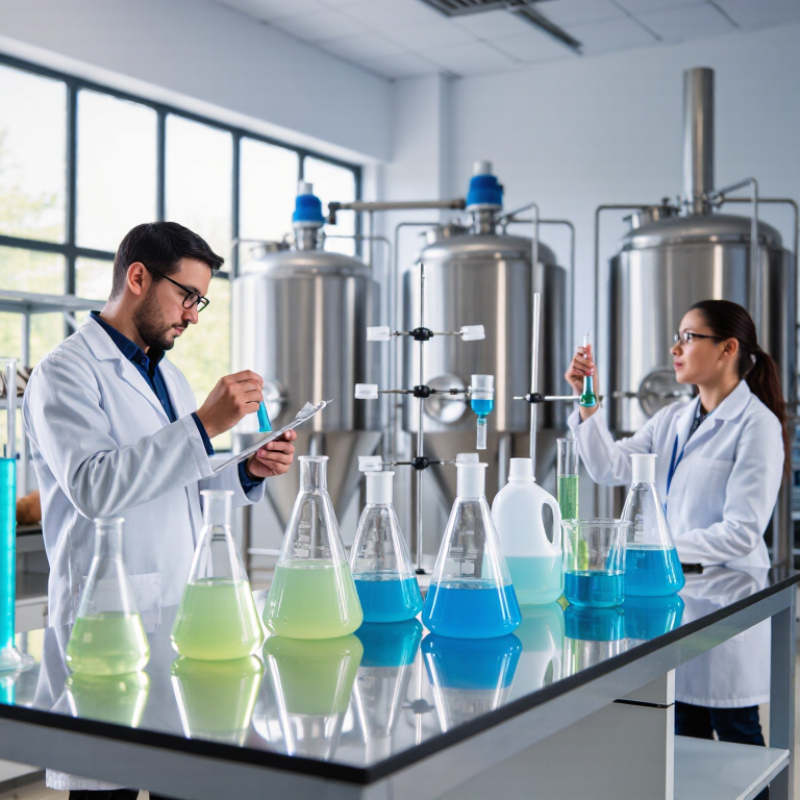
China Top Plant Based Laundry Detergent Manufacturers?

What Makes a Plant-Based Laundry Detergent Manufacturer Stand Out?

What makes a plant-based laundry detergent manufacturer stand out is not a green label alone.
It is the evidence behind every ingredient, formula, and factory process. A 2023 Grand View Research report valued the global green cleaning products market at about USD 75 billion in 2022, with strong growth expected through 2030. This demand raises the standard for Chinese manufacturers. They need traceable plant-derived surfactants, documented supplier audits, and laboratory testing for cleaning performance, skin irritation, and biodegradability.

Performance still matters most. A reliable manufacturer should test cold-water washing, oily stains, fabric residue, and fragrance stability. It should show clear results, not vague claims. ISO 17025-accredited testing adds credibility, while certifications such as USDA BioPreferred or recognized European ecolabel systems can support ingredient and environmental claims. Packaging deserves equal attention. The Ellen MacArthur Foundation has repeatedly linked packaging design with waste reduction, so refill pouches, recycled materials, and accurate dosage caps are practical signals.

Small details reveal manufacturing maturity. A 30°C wash test. A batch code beside the cap. A visible response to customer complaints. These details matter. However, plant-based does not automatically mean harmless or fully sustainable. Crop sourcing, transportation, water use, and concentrated formulation require lifecycle review. Some manufacturers may overstate progress. That weakness should be admitted, then measured with better data. Auditable records, stable export quality, and honest technical communication separate serious producers from temporary market entrants.

How China’s Plant-Based Laundry Detergent Industry Is Organized

China’s top plant-based laundry detergent manufacturers operate through a coordinated supply network. They are not one uniform group. Ingredient suppliers provide plant-derived surfactants, enzymes, fragrances, and preservatives. Formulators then adjust cleaning strength, skin feel, scent, and water performance. Many factories work as OEM or ODM partners, producing private-label formulas for overseas buyers.

The industry is organized around regional manufacturing clusters, contract production, packaging suppliers, and independent testing laboratories. Larger facilities often manage blending, filling, labeling, and batch records in one location. Smaller producers may outsource testing or packaging. Reliable manufacturers should explain ingredient origins, production controls, stability results, and wastewater procedures. Certifications can support trust, but they do not replace laboratory verification. The phrase “plant-based” can also be misleading. A formula may contain plant-derived ingredients without being fully botanical. This point deserves closer review.

Tips: Request a complete ingredient list and recent test reports. Check dosage performance in hard water, cold cycles, and heavily soiled fabric. Ask whether the stated plant content is measured or simply used in marketing. Review sample batches before signing a large order. Packaging should show clear usage instructions and safety information. A pleasant scent is not proof of better cleaning.

Leading Chinese Manufacturers and Their Product Strengths

China’s plant-based laundry detergent sector includes contract factories, formulation specialists, and large household-care producers. Their strongest advantage is flexible manufacturing. Buyers can request liquid, powder, sheets, or concentrated formats. Many facilities use coconut-, corn-, or sugar-derived surfactants. These ingredients can support a mild washing profile. They do not automatically make every formula environmentally superior.

Product development is often the clearest strength. Chinese manufacturers can adjust fragrance, foam level, viscosity, and cleaning performance for different water conditions. Some operate pilot laboratories with washing machines, stain swatches, and stability chambers. This allows testing against oil, coffee, clay, and perspiration stains. Concentrated formulas also reduce packaging volume and shipping weight. Refill pouches and measured-dose designs are increasingly practical for online retail.

Quality control needs closer attention than attractive samples suggest. Request ingredient specifications, batch records, microbial results, and third-party performance tests. Check whether plant-based claims are clearly defined and supported. Packaging compatibility matters too; a leaking cap can damage an otherwise strong product. Factory audits should review water treatment, worker training, traceability, and complaint handling. Smaller suppliers may offer faster customization, but their testing systems can be uneven. That trade-off deserves honest review. Product claims should be checked against destination-market requirements before launch.

China Top Plant Based Laundry Detergent Manufacturers? - Leading Chinese Manufacturers and Their Product Strengths

Manufacturer Category Typical Manufacturing Base Plant-Based Ingredient Strength Common Product Forms Typical OEM/ODM Capability Relevant Quality Systems Best-Fit Buyer
Large Household-Care OEM Established chemical and home-care production clusters in East and South China Plant-derived surfactants, biodegradable builders, botanical fragrances, and enzyme-compatible formulas Liquid detergent, concentrated liquid, powder, capsules, and refill packs Private-label formulation, packaging development, bulk production, and export documentation ISO 9001-based quality management; batch testing; supplier and raw-material controls Retail chains, importers, and established household-care brands
Natural-Cleaning Specialist Manufacturing parks focused on natural personal-care and home-cleaning products Coconut- and glucose-derived surfactants, essential oils, plant extracts, and readily biodegradable ingredients Low-scent liquid, sensitive-skin detergent, baby laundry detergent, and multi-purpose cleaners Formula customization, fragrance-free options, ingredient positioning, and small-to-medium production runs Ingredient traceability, microbial testing, stability testing, and documented product specifications Eco-conscious retailers, specialist distributors, and sensitive-skin product developers
Concentrated Detergent Producer High-volume liquid and powder detergent production zones with automated filling lines High-active plant-based surfactant systems designed to reduce water, packaging, and shipping volume Ultra-concentrated liquid, dissolvable sheets, tablets, and compact refill formats Viscosity adjustment, dosing optimization, concentrated-pack design, and automated filling Batch consistency checks, viscosity testing, pH testing, cleaning-performance testing, and packaging inspection Online retailers, subscription businesses, and low-waste packaging companies
Laundry Capsule and Sheet Manufacturer Specialized facilities equipped for water-soluble film, tablet, or dry-dose production Plant-derived cleaning agents combined with low-moisture or film-compatible ingredients Laundry pods, dissolvable sheets, tablets, and pre-measured sachets Dose development, water-soluble packaging integration, moisture control, and private-label packing Dose-weight control, dissolution testing, humidity control, seal testing, and transport testing E-commerce sellers, travel-product suppliers, and plastic-reduction programs
Baby and Sensitive-Fabric Specialist Personal-care and household-cleaning facilities with segregated production or controlled formulation areas Mild plant-derived surfactants, reduced fragrance systems, dye-free formulas, and enzyme-controlled options Baby laundry liquid, fragrance-free detergent, wool detergent, and delicate-fabric wash Allergen-conscious formula review, pH adjustment, fragrance customization, and compliant labeling support pH testing, skin-irritation assessment through qualified laboratories, microbial limits, and stability testing Baby-care distributors, pharmacies, specialty stores, and premium household-care brands
Export-Oriented Private-Label Producer Coastal manufacturing regions with access to container ports and international logistics services Adaptable plant-based formulations using regionally and internationally sourced raw materials Liquid, powder, capsules, sheets, refill pouches, and bulk detergent Multilingual packaging, barcode support, carton customization, sample approval, and export order management Documented batch records, certificate-of-analysis support, export packaging checks, and third-party inspection coordination Importers, regional distributors, contract brands, and international retailers
Refill and Sustainable-Packaging Manufacturer Eco-product production parks with flexible pouch, bottle, and refill-packaging lines Biodegradable surfactant systems, concentrated formulas, reduced-water products, and plant-based fragrance options Refill pouches, aluminum-bottle refills, bulk concentrates, and lightweight liquid detergent Refill-system design, packaging compatibility testing, concentrated formulas, and sustainability documentation Leak testing, pack-strength testing, formula-pack compatibility, stability testing, and material declarations Zero-waste shops, sustainable retailers, hospitality suppliers, and environmental product programs

Note: The categories above describe common Chinese manufacturing profiles and capabilities rather than a verified ranking of named companies. Actual certifications, minimum order quantities, ingredient percentages, testing scope, and export eligibility should be confirmed directly with each manufacturer.

Key Certifications and Standards for Plant-Based Detergents

For China’s plant-based laundry detergent manufacturers, certification matters more than a green-sounding label. “Plant-based” describes ingredient origin, not complete environmental performance. Buyers should request ISO 14024 Type I ecolabel evidence, where independent bodies assess a product against multiple lifecycle criteria. EU Ecolabel laundry criteria also examine ingredient restrictions, aquatic toxicity, packaging, and washing performance. These checks reveal a common weakness: a detergent can contain renewable surfactants yet still use poorly assessed preservatives or excessive fragrance.

Testing should follow recognized methods, not internal claims alone. OECD biodegradability protocols help verify whether surfactants break down under controlled conditions. ISO/IEC 17025 accreditation adds confidence that the laboratory is technically competent. In China, manufacturers should also match applicable national and sector detergent standards, while providing batch records, safety data, allergen information, and heavy-metal screening where relevant. The 2024 European Commission consumer conditions report indicates that environmental claims remain difficult for shoppers to verify, which makes traceable documentation essential. Labels need evidence.

Market data supports tighter scrutiny. Grand View Research’s 2024 green cleaning products analysis projected continued global growth through 2030, driven by demand for safer formulations and sustainable packaging. Growth can encourage rushed claims. I still inspect dosage instructions, because concentrated formulas reduce transport weight only when consumers measure correctly. That detail is often missed. A credible supplier should disclose test dates, certification scope, active ingredient percentages, and whether performance was tested in cold and hard water. “Natural” alone is not a standard.

How to Choose the Right Chinese Manufacturer for Your Needs

Choosing the right Chinese plant-based laundry detergent manufacturer requires more than comparing prices. A capable supplier should explain its plant-based ingredients clearly, including sourcing, fragrance content, enzymes, and preservatives. Request recent test reports, safety data, product specifications, and batch records. These documents show whether the manufacturer controls quality consistently. Ask for samples from different production batches, not only one attractive sample.

A factory visit or independent audit can reveal important details. Check raw material storage, water quality controls, filling equipment, and cleaning procedures. Discuss minimum order quantities, lead times, packaging options, and formula ownership before signing anything. Confirm whether the supplier can support your target market’s detergent and labeling requirements. Communication matters too. Slow or vague answers may become expensive problems later. No factory is perfect. I would still question unusually low prices, even when the samples perform well.

Tips: Begin with a small trial order. Test stain removal, scent stability, skin feel, leakage, and packaging durability. Keep written records of every agreed specification. A third-party laboratory can verify key claims. Do not rely only on factory photographs or sales promises. One overlooked detail, such as humidity during storage, may change the product after delivery. Share realistic forecasts, but avoid paying for large volumes before quality is proven.