Top 10 Types of Pleated Skirts Buyers Should Know
A Pleated Skirt can look simple on a hanger, yet its structure reveals many design decisions. Buyers must examine pleat direction, fabric weight, waistband construction, lining, and recovery after movement. Each detail affects comfort, shape, durability, and retail value.
Issey Miyake, widely recognized for pioneering modern pleated clothing, once said, “I make clothing, not fashion.” His statement reflects an important buying principle. A successful Pleated Skirt should serve real movement, not only photograph beautifully. A schoolgirl’s knife pleats behave differently from a sunray skirt’s narrow folds. Box pleats create sharper volume, while accordion pleats offer rhythmic flexibility. Micropleats may feel delicate, but they can also hide uneven workmanship.
This guide examines ten Pleated Skirt types buyers should know before selecting products. It considers fabric performance, production quality, target customers, and practical styling. Touch the fabric. Check the seams. Move in it.
Some judgments remain subjective. A heavier polyester may improve pleat recovery, yet it can feel warm indoors. Natural fibers may offer softness, but their folds often require more care. Buyers should question product descriptions and inspect samples whenever possible. Measurements can also mislead when pleats expand across the hips. A skirt labeled “elastic waist” may still fit poorly.
The right choice depends on use, climate, customer expectations, and budget. No single pleat suits every wardrobe. That is the point.
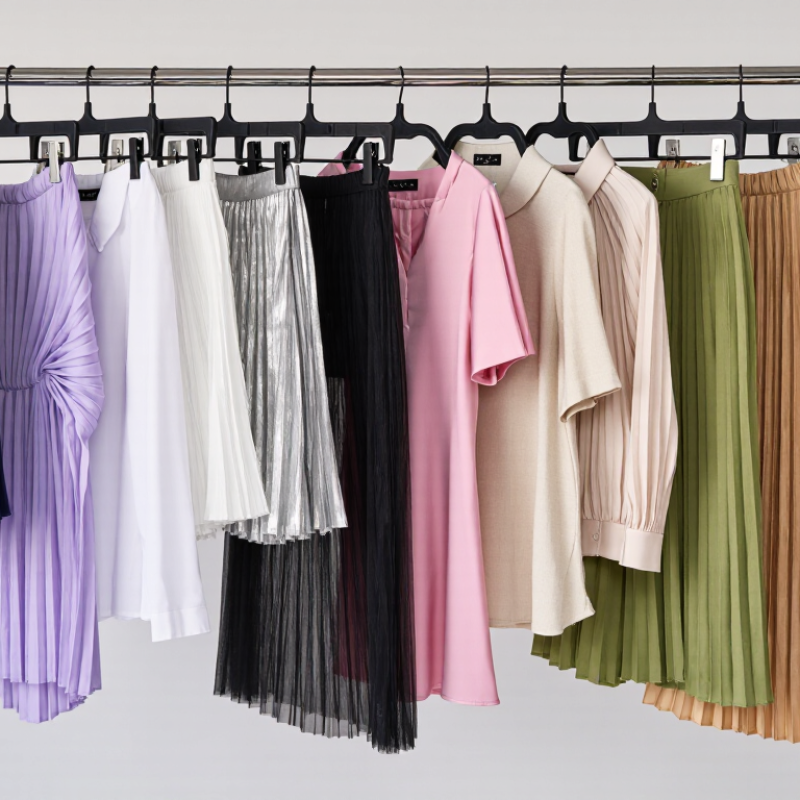
Knife, Box, and Inverted Pleated Skirts
Top 10 Types of Pleated Skirts Buyers Should Know
Knife, Box, and Inverted Pleated Skirts
Pleated skirts differ in structure, movement, and styling potential. Knife pleats fold in one direction, creating slim, repeated lines. They usually give a sharper silhouette and move lightly while walking. Buyers should inspect the pleat depth, fabric recovery, and waistband stitching. Thin polyester can hold crisp pleats, but it may feel less breathable in warm weather. Natural blends often feel softer, though their folds may relax sooner.
Box pleats use two folds facing away from each other. This design creates a fuller shape and a stronger visual rhythm. It works well for uniforms, casual skirts, and structured everyday outfits. Check the spacing around the hips. Poorly balanced box pleats can add unwanted width.
Inverted pleats fold toward the center, forming a clean recess on the front or back. They offer controlled volume without looking overly busy. Useful detail.
During product reviews, I would compare the skirt after sitting, walking, and washing according to its care label. Pleats can look perfect on a hanger but open unevenly during wear. A practical buyer should check lining, seam strength, closure quality, and fabric transparency.
Measurements matter more than the listed size. I still find the choice is not always obvious. The best style depends on movement, climate, maintenance habits, and the wearer’s preferred shape.
Accordion and Crystal Pleated Skirts
Top 10 Types of Pleated Skirts Buyers Should Know
Accordion pleated skirts use narrow, even folds that open like a fan during movement. Crystal pleats are finer and sharper, creating a denser surface and a more structured appearance. The difference becomes obvious under light. Accordion pleats swing softly, while crystal pleats create slim vertical lines. Buyers should check fold recovery after gentle compression. Poorly set pleats may flatten around the hips or hem.
Fabric choice changes the result. Polyester commonly holds both pleat styles well, but it can feel warm during long wear. Textile Exchange’s 2024 Materials Market Report states that polyester represented about 57% of global fiber production in 2023. That figure explains its widespread use, not automatic quality. Look for balanced stitching, clean waist construction, and consistent pleat depth. A skirt should hang evenly when viewed from the side.
Care matters more than many shoppers expect. Follow the care label, avoid rough twisting, and store the skirt vertically when possible. WRAP research indicates that extending clothing life by nine months can reduce its environmental footprints by roughly 20–30%. The exact result varies by garment and washing habits. My practical reservation is simple: crystal pleats can look elegant but may punish careless storage. Test the fabric in natural light, sit down, and inspect whether the folds return.
Top 10 Types of Pleated Skirts Buyers Should Know - Accordion and Crystal Pleated Skirts
| No. | Pleated Skirt Type | Pleat Structure | Typical Visual Effect | Common Fabric Choices | Typical Lengths | Buyer Considerations |
|---|---|---|---|---|---|---|
| 1 | Accordion Pleated Skirt | Many narrow, parallel pleats with consistent depth. | Fluid vertical movement and an evenly expanded silhouette. | Polyester, chiffon, satin, lightweight wool blends. | Mini, knee-length, midi, and maxi. | Check pleat recovery, lining, waistband construction, and whether the fabric is heat-set. |
| 2 | Crystal Pleated Skirt | Very fine, sharply pressed pleats, usually narrower than standard accordion pleats. | Dense texture, subtle sheen, and a streamlined vertical appearance. | Polyester, satin, chiffon, metallic-effect woven fabrics. | Most commonly midi and maxi. | Inspect pleat uniformity, transparency, static control, and washing instructions. |
| 3 | Knife-Pleated Skirt | One-direction pleats that overlap consistently across the skirt. | Clean, directional lines with a tailored appearance. | Cotton, wool, polyester, twill, uniform-weight fabrics. | Mini, knee-length, and midi. | Look for secure pleat pressing, adequate ease, and a waistband that lies flat. |
| 4 | Box-Pleated Skirt | Two folds facing away from each other create a rectangular box shape. | Structured volume and balanced, symmetrical panels. | Cotton, wool, linen blends, polyester suiting fabrics. | Mini, knee-length, and midi. | Consider fabric weight, pocket placement, pleat bulk at the waist, and resistance to wrinkling. |
| 5 | Inverted Box-Pleated Skirt | Pleat folds turn inward toward a central valley. | A flatter front or back panel with controlled flare. | Cotton, wool, polyester, gabardine, medium-weight blends. | Knee-length, midi, and maxi. | Confirm the direction of the pleats, stitching at the top, and available movement around the hips. |
| 6 | Sunray Pleated Skirt | Pleats radiate from a narrower waist area and gradually widen toward the hem. | Fitted-looking waist with a dramatic, flowing hem. | Polyester satin, chiffon, rayon blends, lightweight woven fabrics. | Midi and maxi. | Check the transition from narrow to wide pleats, hem balance, and lining length. |
| 7 | Accordion-Godet Skirt | Accordion-pleated fabric is inserted into selected skirt panels or godets. | Contrasting movement and flare between smoother panels. | Chiffon, polyester, crepe, satin, lightweight jersey inserts. | Midi and maxi. | Evaluate seam quality, color matching, fabric compatibility, and stretch recovery. |
| 8 | Kick-Pleat Skirt | A single pleat or small group of pleats is placed at a seam or opening. | Mostly straight silhouette with extra walking ease. | Wool, cotton, denim, suiting fabric, polyester blends. | Knee-length and midi. | Check pleat depth, reinforcement, closure security, and comfort while walking or sitting. |
| 9 | Cartridge-Pleated Skirt | Full fabric is gathered into rounded, closely spaced folds near the waistband. | Distinctive fullness concentrated below the waist. | Cotton, linen, wool, taffeta, medium- to heavyweight woven fabrics. | Knee-length, midi, and historical or costume lengths. | Assess waistband bulk, fabric weight, seam strength, and storage requirements. |
| 10 | Honeycomb Pleated Skirt | Pleats are arranged in repeating geometric sections resembling honeycomb cells. | Textured, sculptural surface with controlled dimensional volume. | Polyester, cotton blends, jacquard, structured synthetic fabrics. | Mini, midi, and statement maxi styles. | Review pattern alignment, fabric thickness, seam durability, and the effect of washing on shape retention. |
Note: Pleat width, fullness, fabric suitability, and care requirements can vary according to the garment pattern, finishing method, and fiber content.
Sunray, Kilt, and Carwash Pleated Skirts
Top 10 Types of Pleated Skirts Buyers Should Know
Sunray, Kilt, and Carwash Pleated Skirts
Sunray pleated skirts use narrow pleats that radiate from the waistband. Their movement is fluid, especially when walking across a windy street. Buyers should inspect the pleat recovery after sitting. Cheaply finished folds may flatten around the hips. A lightweight polyester blend often holds shape well, while satin can show pressure marks. Check the lining, too. It should not twist when you move.
Kilt pleated skirts usually feature deeper, structured folds and an adjustable waist detail. Traditional styling may include buckles, straps, or an overlapping front panel. Fit matters more than decoration. The waistband should sit securely without pressing into the stomach. I once underestimated how much bulky hardware could affect comfort during a full day. That was a useful mistake. Measure the waist while standing and sitting. Also check whether the pleats face consistently around the body.
Carwash pleated skirts are built with wide, separated panels. These panels swing open during movement, creating a bold layered effect. Some designs reveal a contrasting inner layer, but modesty and coverage still depend on panel spacing. Walk several steps before buying. The skirt may look calm on a hanger yet open dramatically in motion. Review the seam strength and panel edges carefully. Uneven stitching is easy to miss. Buyers should also consider care instructions, because high heat can permanently distort pleated fabric. Small details matter.
Micro and Fortuny Pleated Skirts
Among the ten pleated skirt types, micro and Fortuny pleats deserve close attention. Micro-pleated skirts use extremely narrow, repeated folds. They create fine vertical texture and move lightly around the knees. This structure suits travel wardrobes because small creases are less noticeable. Still, not every micro pleat recovers well after pressure. A packed suitcase can flatten weak folds.
Fortuny pleats are more sculptural. Their irregular, wave-like folds catch light differently as the wearer walks. The fabric may feel fluid, yet the surface has clear depth. Buyers should inspect the waistband, hem, and pleat consistency. Hold the skirt at eye level. Do folds open evenly? Do they twist near seams? These checks reveal construction quality better than product photos. A reliable seller should state the fiber content, care method, and whether the pleats are permanently set. Vague care advice is a warning sign.
For daily wear, choose a lining that glides over tights without clinging. Lightweight polyester can hold sharp micro pleats, while silk blends offer a softer fall but need gentler care. Fortuny styles may require hanging storage, cool temperatures, and careful steaming. Never assume pleated means machine washable. I have seen attractive skirts lose their rhythm after one careless wash. That mistake is avoidable. Fit also matters. A narrow waistband can distort the upper folds when seated. Try sitting, walking, and turning before buying. The best skirt should move with you, not demand constant adjustment.
Comparing the Ten Types by Structure, Fabric, Fit, and Occasion
Choosing a pleated skirt becomes easier when buyers compare structure, fabric, fit, and occasion. Knife-pleat skirts have narrow, even folds and suit crisp cotton or school-inspired tailoring. Box-pleat skirts use broad folds that create more space around the hips. They work well in sturdy wool or denim. Inverted box pleats fold inward, giving a cleaner front and a controlled office silhouette.
Accordion pleats are slim and flexible, usually made from polyester or lightweight satin. They move well for commuting, travel, and evening events. Crystal pleats are finer and sharper, often adding texture without much volume. Sunray pleats widen from the waist, so fluid fabric helps them fall smoothly over the legs. The shape can flatter, but it may also emphasize uneven hems.
Kick-pleat skirts keep a mostly straight structure, with one pleat opening during movement. They suit wool blends and polished workwear. Kilt-style pleated skirts use deeper folds and heavier cloth, offering warmth and a firm fit for casual outdoor settings. Wrap pleated skirts overlap at the waist and need secure fastening for active days. Micropleated skirts create dense texture and pair best with light, resilient fabrics. I prefer checking the waistband, lining, and pleat recovery by hand. A skirt may look perfect on a hanger, yet feel restrictive when sitting. Even experts miss that detail sometimes.
Top 10 Types of Pleated Skirts Buyers Should Know
Comparing the ten types by structure, fabric, fit, and occasion
The chart uses a practical 1–5 comparison index based on commonly recognized garment characteristics: structural definition, typical fabric suitability, fit versatility, and occasion range. A higher score indicates stronger performance for that buying consideration. Knife, box, accordion, and sunray pleats generally offer the broadest styling flexibility, while crystal, cartridge, and kick pleats are more specialized in shape or use.