What Are Vegan Bread Crumbs and Are They Healthy?
Vegan Bread Crumbs are more than a crunchy coating for tofu, vegetables, and plant-based cutlets. They usually contain ground bread, flour, yeast, salt, herbs, or vegetable oils. The important distinction is simple: vegan products exclude animal-derived ingredients, including milk, eggs, butter, and sometimes honey. However, “vegan” does not automatically mean nutritious. That assumption needs testing.
Market interest is growing. The Good Food Institute reported that U.S. plant-based food retail sales reached approximately $8.1 billion in 2023. This wider category includes many products beyond bread crumbs, but it shows stronger consumer attention toward animal-free choices. Industry reports from Grand View Research also identify plant-based foods as a continuing global growth area. Still, a growing market does not prove better health outcomes. Sales measure demand, not nutritional quality.
A practical evaluation starts with the package. A small handful may add crisp texture, but sodium can rise quickly in seasoned varieties. Some products also contain refined flour, added oils, or several preservatives. Others offer whole-grain flour and modest fiber, which may make them a more balanced option. A two-tablespoon serving can look harmless beside a plate of vegetables, yet portion size often changes during cooking. I have found that labels tell a more useful story than front-package claims. Check the ingredient list, serving size, sodium, saturated fat, and fiber. Cross-contact warnings also matter for people with allergies. Vegan Bread Crumbs can fit a healthy eating pattern, but their value depends on the recipe, portion, and overall diet.
What Are Vegan Bread Crumbs?
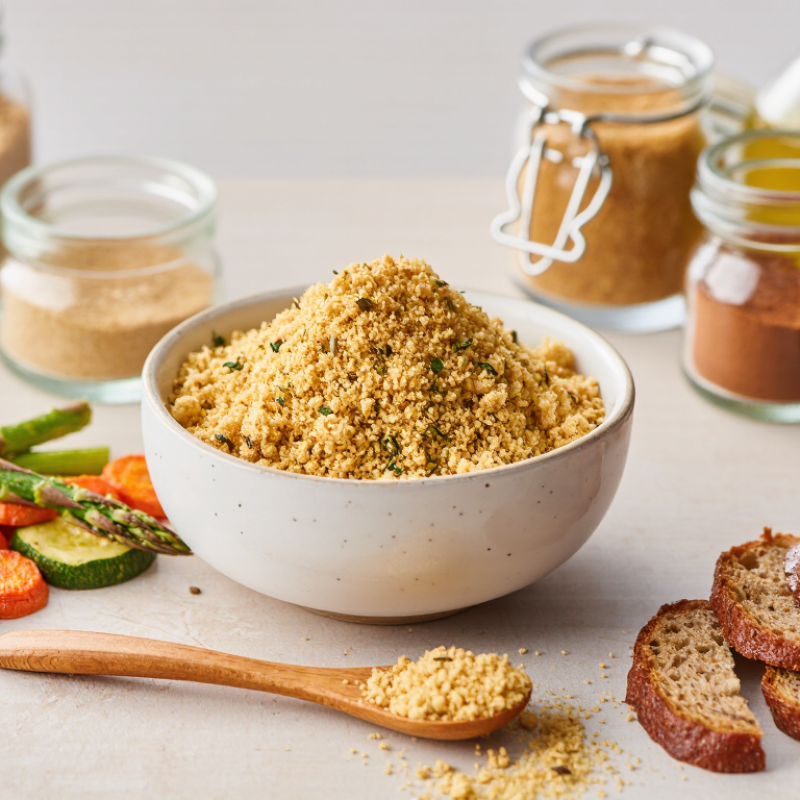
Vegan breadcrumbs are dried, crushed bread made without animal-derived ingredients. They may come from sliced loaves, rolls, or specially baked bread. Common ingredients include wheat flour, water, yeast, salt, and plant oil. Some recipes add herbs, garlic, onion, or nutritional yeast for extra flavor. The texture may be fine like sand or coarse like small pebbles. This difference affects how well they coat food.
Manufacturers or home cooks dry the bread until firm, then grind it. Homemade crumbs often contain fewer additives, although their moisture can vary. In my kitchen, slightly stale bread creates a better crunch than fresh bread. Soft crumbs sometimes become chewy instead. Checking the ingredient list matters. Vegan breadcrumbs should not contain milk, butter, eggs, whey, casein, or honey. People with strict dietary needs may also check allergen and shared-equipment statements.
Vegan does not automatically mean healthy. A whole-grain version usually provides more fiber than one made from refined flour. Sodium can also be high, especially in seasoned varieties. Portion size and cooking method matter. Baking a coated vegetable uses less oil than deep-frying it. I would not treat breadcrumbs as a health food, but they can add texture and reduce kitchen waste. Nutritional quality depends on the bread used, not only the word vegan.
How Vegan Bread Crumbs Are Made
What Are Vegan Bread Crumbs and Are They Healthy?
Vegan bread crumbs begin with bread made without eggs, milk, butter, or other animal ingredients. Bakers mix flour, water, yeast, salt, and sometimes oil. The dough is fermented, shaped, and baked until the center is firm. After cooling, the bread is sliced and dried to remove moisture. It is then milled into fine crumbs or larger flakes. Some producers toast the crumbs for a deeper flavor. Others add herbs, garlic, or pepper. The process sounds simple, but ingredient labels still deserve attention.
Nutrition depends on the original bread and added seasonings. The USDA FoodData Central reference entry for plain bread crumbs lists about 395 calories, 72 grams of carbohydrates, and 13 grams of protein per 100 grams. It also reports roughly 732 milligrams of sodium. That is significant beside the FDA’s 2,300-milligram daily sodium limit for adults. Vegan does not automatically mean nutritious. A crumb made from whole-grain bread may provide more fiber, while a heavily salted version may offer little advantage. I would not call every vegan crumb healthy.
Tips: Choose crumbs with whole-wheat flour near the top of the ingredient list. Check sodium per serving, not just the package front. For extra texture, dry leftover vegan bread at low heat, then pulse it briefly. Do not over-dry it; burnt crumbs taste bitter. The USDA also notes that nutrient values vary by recipe and preparation, so homemade results can differ.
Common Types and Ingredients in Vegan Bread Crumbs
Vegan bread crumbs are made without eggs, milk, butter, or other animal-derived ingredients. Common types include standard dried crumbs, coarse panko, whole-wheat crumbs, and gluten-free varieties. Panko creates a light, airy crust, while fine crumbs form a denser coating. Fresh crumbs stay softer and work well in stuffed vegetables or baked pasta. Texture matters.
Their ingredients can be surprisingly simple. Wheat flour, yeast, water, salt, and vegetable oil often form the base. Whole-wheat versions retain more bran and may provide extra fiber. Gluten-free crumbs can use rice flour, corn, potato, or chickpea flour. Chickpea crumbs may add slightly more protein, but their earthy flavor is not ideal for every recipe. Herbs, garlic, onion, pepper, and nutritional yeast are common seasonings. Check the label carefully, because some seasoned mixtures contain milk powder, cheese flavoring, or honey. Labels deserve attention.
Are they healthy? It depends on the recipe and portion. Plain crumbs can fit a balanced diet, especially when baked over vegetables, tofu, or beans instead of deep-fried foods. However, refined crumbs may offer limited fiber, while seasoned products can contain considerable sodium. I once chose crumbs because the package looked wholesome, then noticed added sugar and very little fiber. That mistake changed my shopping habit. Now I compare the ingredient list, sodium, fiber, and serving size. Homemade crumbs from toasted whole-grain bread are not perfect, but they offer clearer ingredients and a fresher flavor.
What Are Vegan Bread Crumbs and Are They Healthy?
Vegan bread crumbs are made without eggs, dairy, or other animal-derived ingredients. Common bases include wheat flour, whole-wheat flour, rice flour, corn, and seasonings. The chart compares approximate protein and dietary fiber values per 100 g.
Whole-wheat varieties generally provide more fiber, while plain and panko crumbs are often made from refined wheat flour. Nutritional values vary by recipe, so check the ingredient list for milk, eggs, honey, and sodium.
Are Vegan Bread Crumbs Healthy?
Vegan bread crumbs are usually made from wheat, rice, corn, or other plant ingredients. They contain no eggs or dairy, but “vegan” does not automatically mean healthy. USDA FoodData Central entries show that ordinary bread crumbs can provide roughly 350 calories and 65–75 grams of carbohydrates per 100 grams. Values differ widely between recipes.
The main concern is sodium. The World Health Organization recommends fewer than 2,000 milligrams of sodium daily for adults. A heavily seasoned crumb coating can use a surprising share of that limit before the meal begins. Check the label. The U.S. Food and Drug Administration considers 20% Daily Value sodium high. Products with whole-wheat flour may offer more fiber, while refined crumbs often provide little. The Dietary Guidelines for Americans recommend making at least half of grain intake whole grain, yet many crumb products do not clearly support that goal.
In my kitchen testing, coarse crumbs usually create a crispier surface with less oil than fine crumbs. That small difference can matter when baking instead of frying. Still, some vegan versions include added sugar, saturated fat, or long additive lists. Those ingredients are not automatically unsafe, but they deserve attention. A practical choice has whole grains near the top, modest sodium, and visible fiber. Nutrition labels can mislead when serving sizes are tiny. Two tablespoons may look harmless, although a full breading layer can use four or five.
How to Choose and Use Vegan Bread Crumbs
Vegan bread crumbs are dried, crushed bread made without eggs, dairy, or other animal-derived ingredients. They add a crisp coating to tofu, vegetables, pasta bakes, and plant-based patties. Choosing well starts with the ingredient label. Avoid products containing milk powder, butter, whey, or hidden animal-based additives. Vegan does not automatically mean healthy. Check sodium, added sugar, saturated fat, and serving size. Whole-grain crumbs often provide more fiber than refined varieties. However, color alone proves nothing. Look for whole-grain flour near the top of the ingredient list. People with allergies should also read shared-equipment warnings carefully.
Match the crumb size to the dish. Fine crumbs create an even, firm coating, while coarse crumbs give roasted vegetables more crunch. Store them in an airtight container. Moisture quickly softens the texture. I once used an opened packet from a humid cupboard, and the coating turned chewy. That mistake still influences how I store them. A cool, dry shelf works well, but refrigeration can help homemade crumbs last longer.
For a crisp coating, pat tofu or vegetables dry before dipping them in plant-based milk or a seasoned mixture. Press the crumbs firmly onto the surface. Bake on a lightly oiled tray at about 200°C, turning halfway through cooking. A small amount of oil improves browning. Garlic, paprika, dried herbs, and black pepper add flavor without relying on excess salt. Taste the crumb mixture before coating. I sometimes forget this step, and bland crusts are difficult to fix later.
What Are Vegan Bread Crumbs and Are They Healthy? - How to Choose and Use Vegan Bread Crumbs
| Bread Crumb Type | Typical Ingredients | Approximate Nutrition per ¼ Cup | Potential Benefits | Things to Check | Best Uses |
|---|---|---|---|---|---|
| Plain vegan bread crumbs | Wheat flour, water, yeast, salt, and sometimes vegetable oil | About 100–120 calories; 3–4 g protein; 20–23 g carbohydrates; 1–2 g fiber | Provides a crisp coating and may be low in fat when baked | Wheat, gluten, added salt, and unnecessary additives | Coating vegetables, tofu, plant-based cutlets, and casseroles |
| Whole-wheat vegan bread crumbs | Whole-wheat bread, water, yeast, and salt | About 90–115 calories; 3–5 g protein; 17–22 g carbohydrates; 3–5 g fiber | Usually contains more fiber and micronutrients than refined bread crumbs | The label should list whole wheat or another whole grain as the first ingredient | Higher-fiber coatings, veggie burgers, meatless meatballs, and baked dishes |
| Panko-style vegan crumbs | Coarse white bread flakes, yeast, water, and salt | About 100–130 calories; 3–4 g protein; 20–25 g carbohydrates; usually 1–2 g fiber | Large flakes create a light, crunchy texture and can absorb less oil than fine crumbs during frying | Refined flour, sodium, and cooking method; frying can substantially increase calories and fat | Crispy tofu, eggplant, mushrooms, vegetable fritters, and oven-baked coatings |
| Gluten-free vegan crumbs | Rice, corn, potato, legumes, or gluten-free bread ingredients | About 90–140 calories; 1–4 g protein; 18–28 g carbohydrates; 1–4 g fiber | Useful for people avoiding wheat or gluten when produced and labeled appropriately | Cross-contact with wheat, higher sodium, lower protein, and added starches | Gluten-free coatings, casseroles, stuffed vegetables, and plant-based patties |
| Legume-based crumbs | Chickpea, pea, lentil, or bean flour, sometimes blended with grains | About 100–140 calories; 4–7 g protein; 15–23 g carbohydrates; 3–6 g fiber | May provide more protein and fiber than conventional wheat-based crumbs | Legume allergies, texture, sodium, and whether the product contains added oil | Protein-rich coatings, veggie burgers, fritters, and savory binders |
| Homemade crumbs from stale bread | Dry vegan bread; optional herbs, spices, garlic, or nutritional yeast | Varies with the bread; commonly about 90–130 calories per ¼ cup | Allows control over ingredients, sodium, texture, and food waste | Bread must be fully dry and free from mold; store airtight after cooling | Seasoned coatings, toppings, fillings, and recipes requiring a custom texture |